Geoscience for Everyone
GSA is a global geoscience organization advancing the field for the betterment of society. Here, discover why geoscience matters and access trustworthy open-access resources.
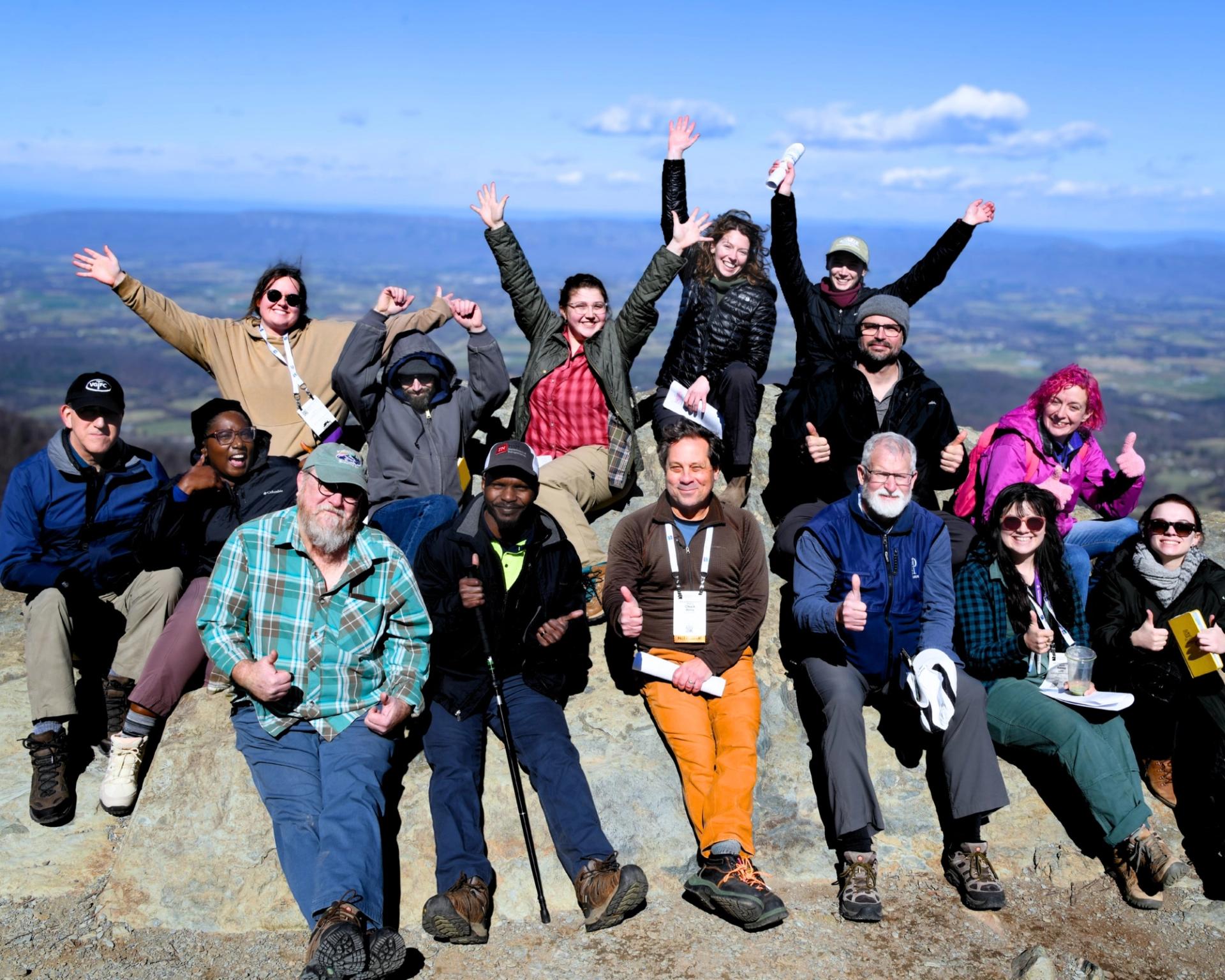
Explore The Geology Around You
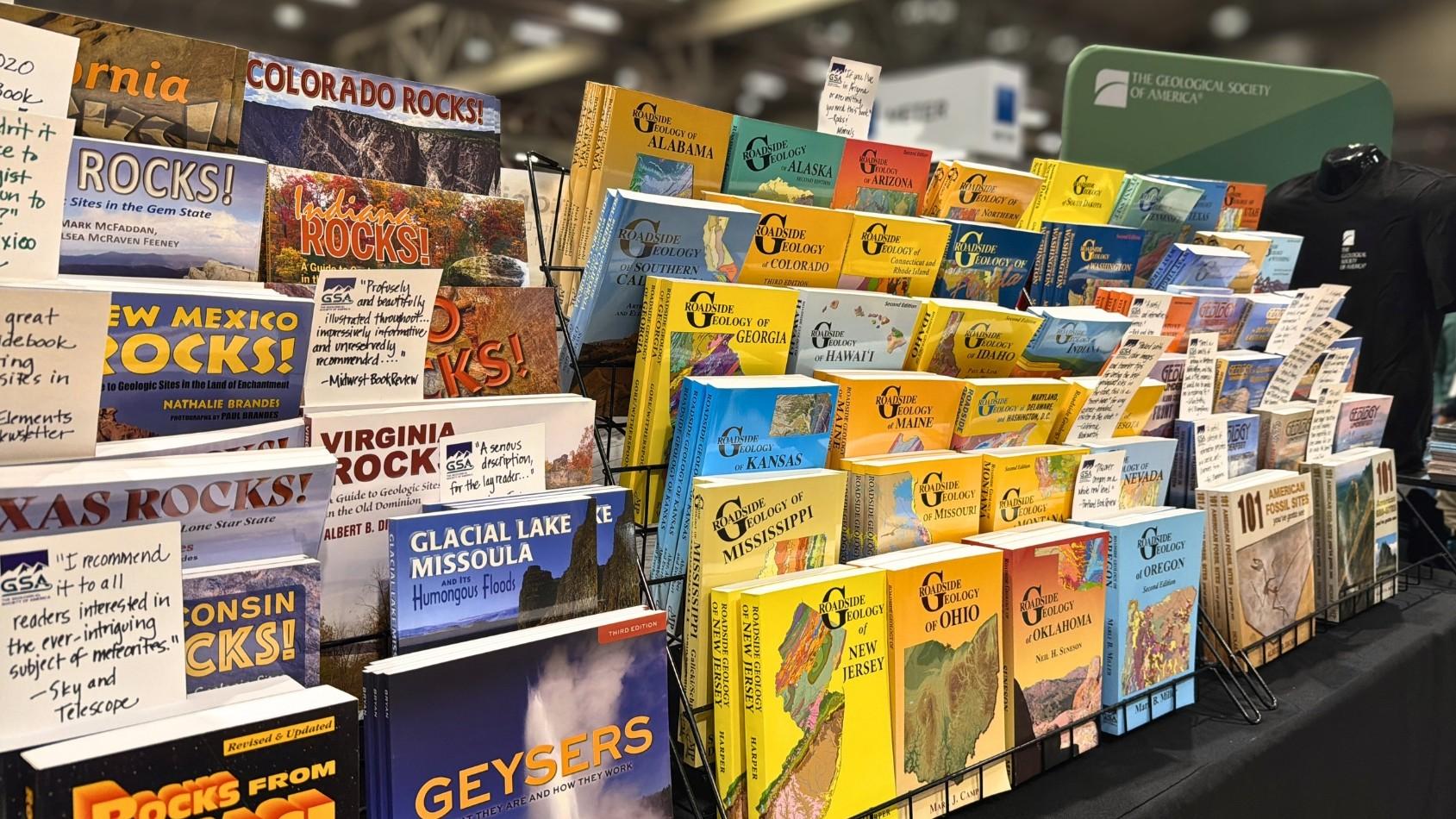
Geoscience Books & Guides
Shop public science books & field guides to learn about the geology all around you.
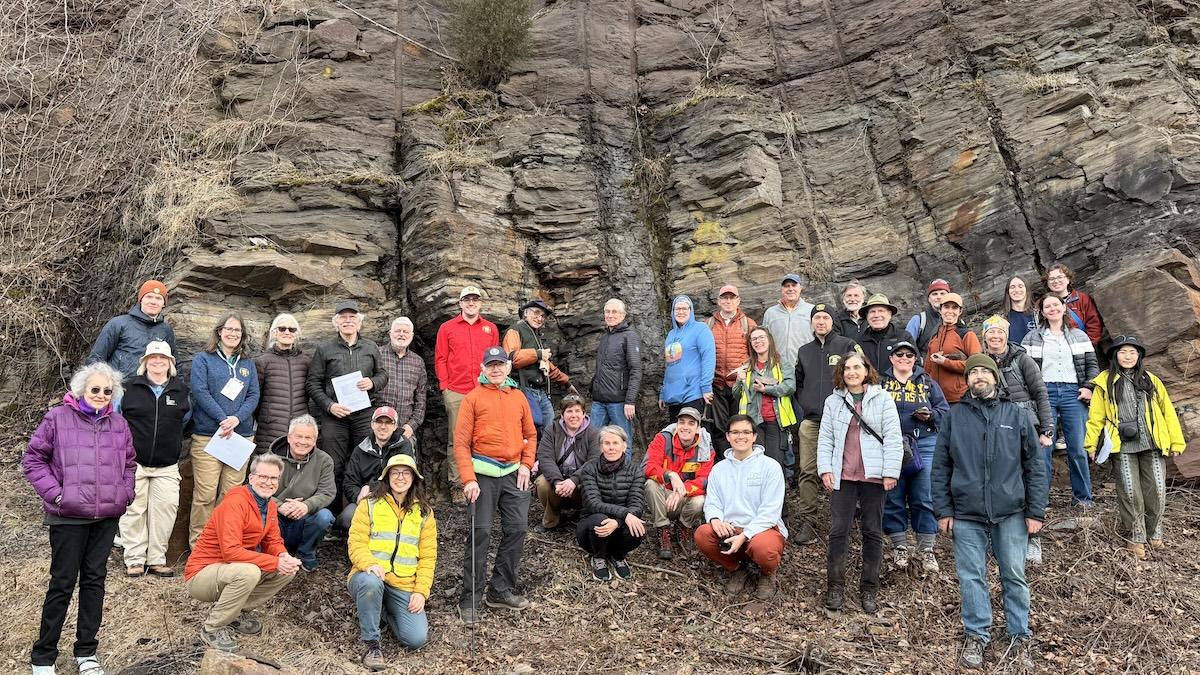
Field Trips & Short Courses
Expert-led field trips & short courses offer immersive opportunities to explore geoscience in action.
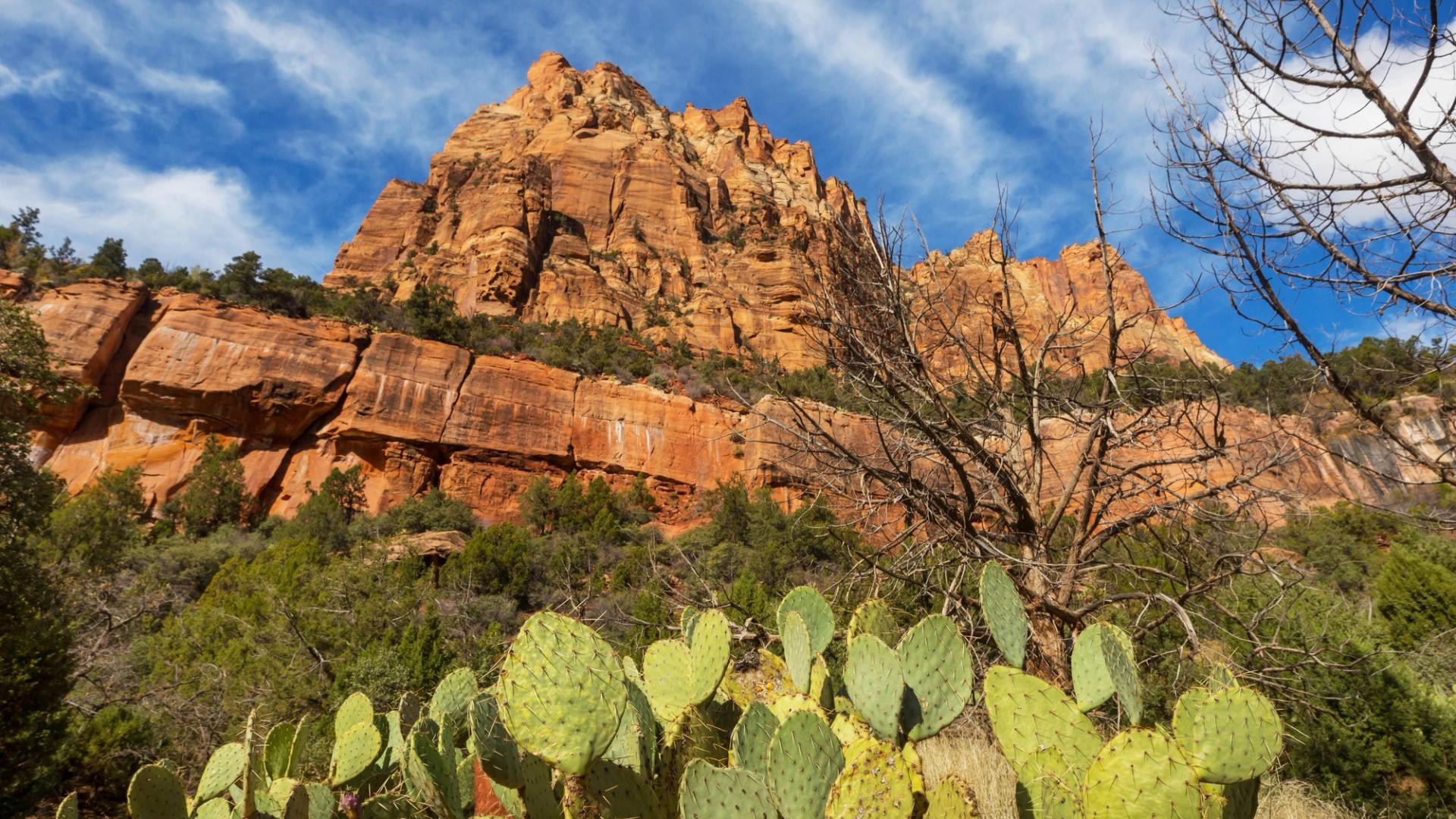
EarthCache
Turns the world into a hands-on geology classroom through EarthCache.
GSA International
Explore international opportunities, events, and resources.
YouTube Videos
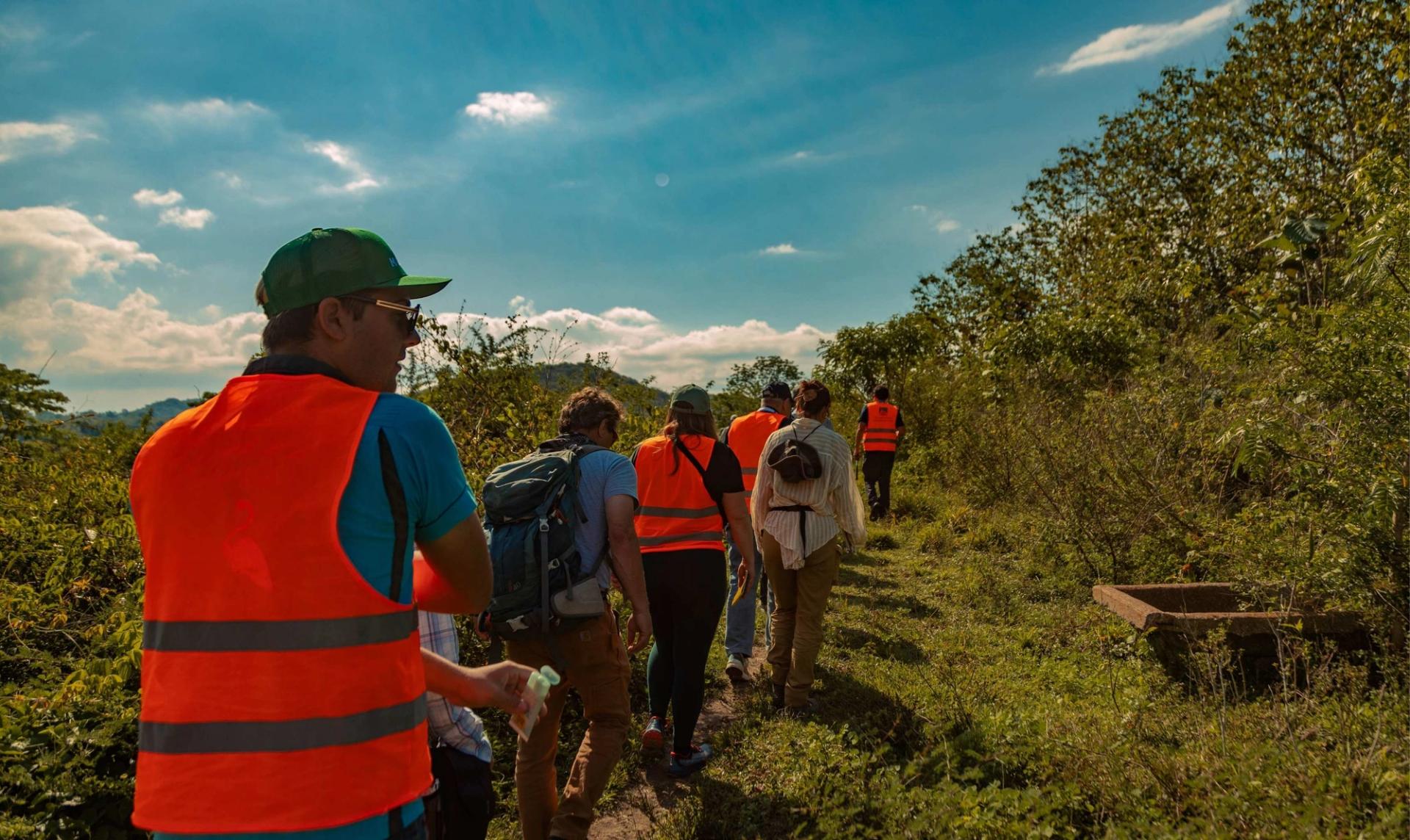
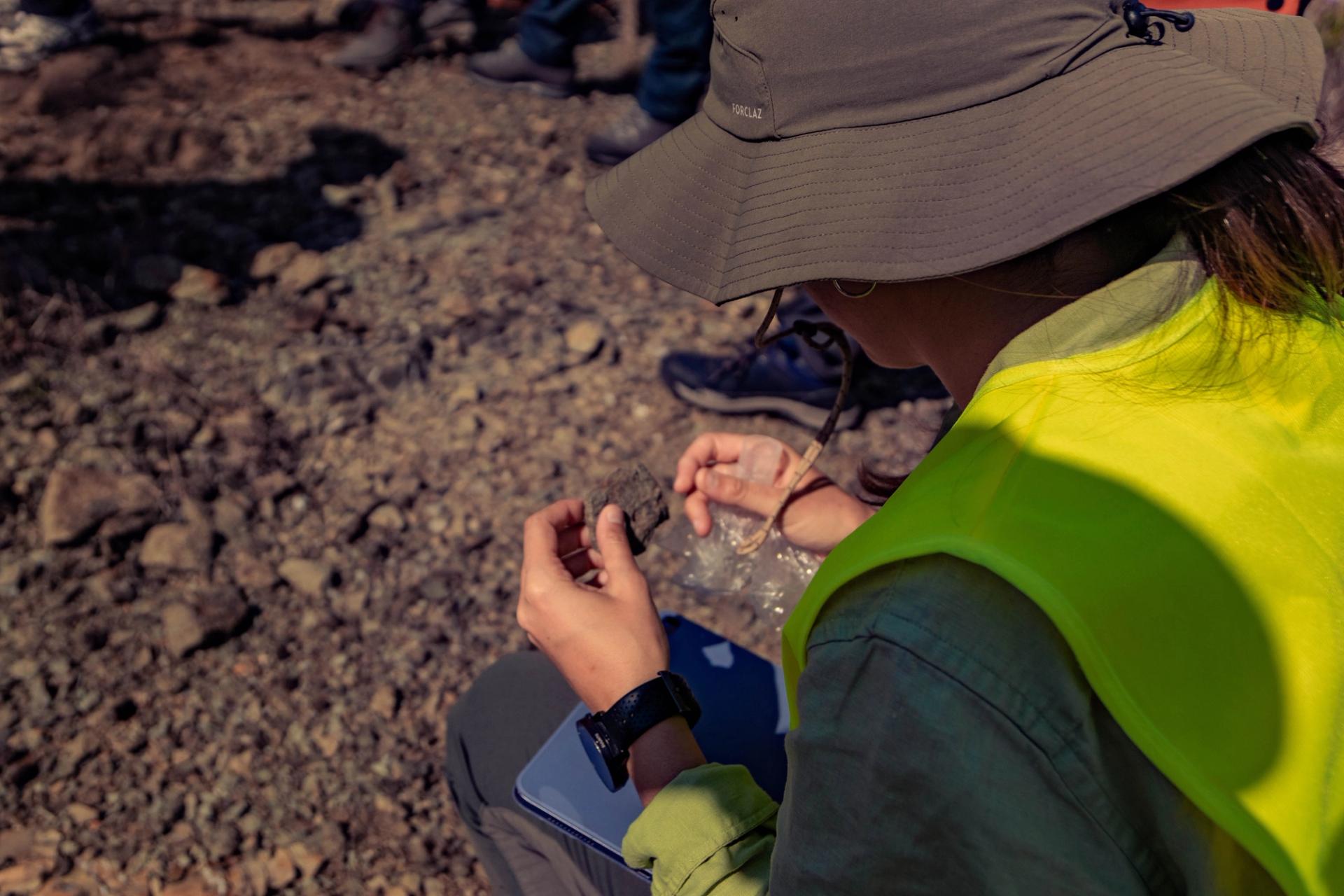
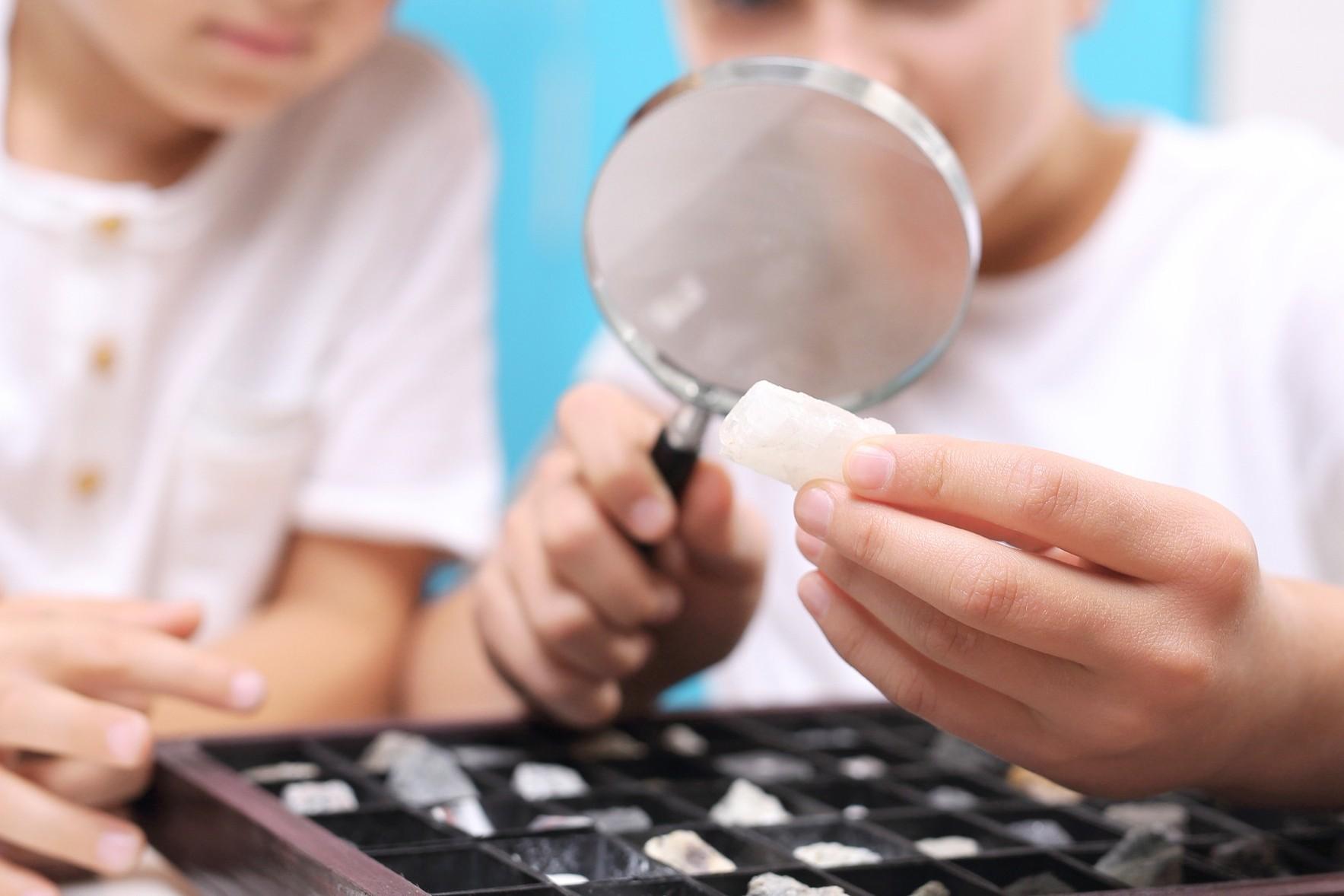
Check out our YouTube channel to learn how to submit an abstract for a meeting, experience what it’s like to go on a GSA field trip, learn how to apply for a GSA research grant, and more!
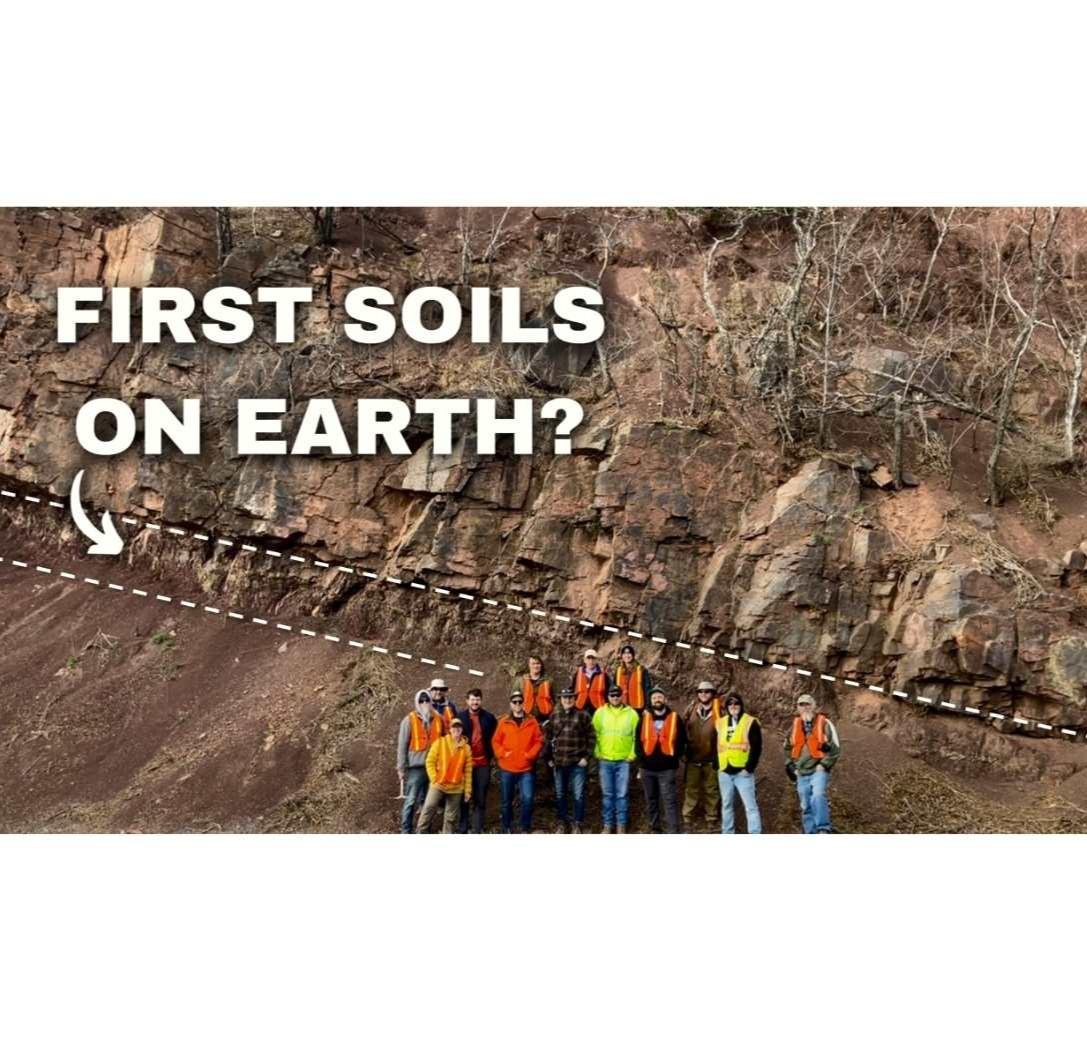
Field Trip to the Devonian
Explore ancient Earth on this GSA Field Trip to Catskill Clastic Wedge in West Virginia, USA.
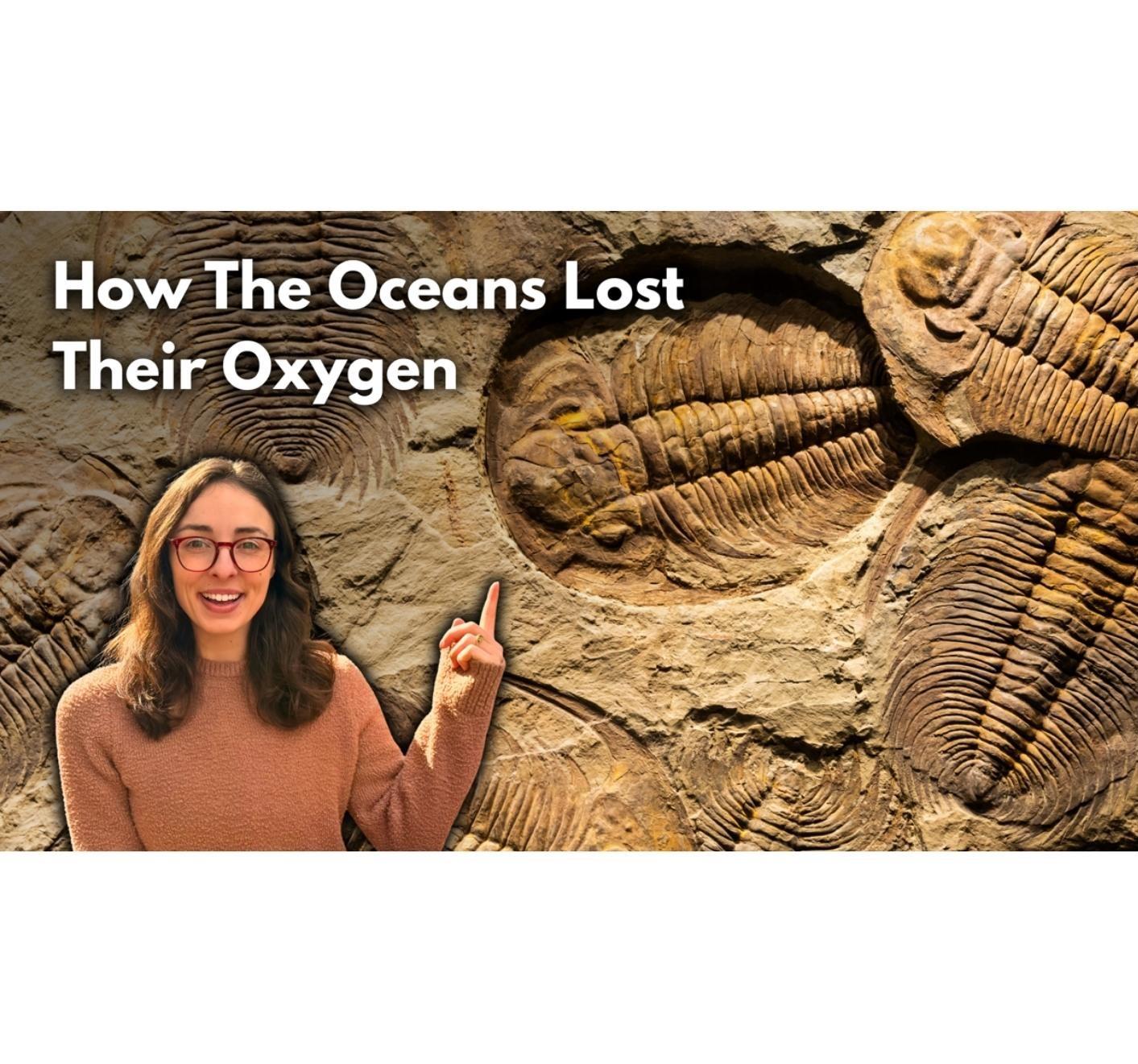
GSA Paper Summary - Devonian Mass Extinction
Summary of research article published in GSA’s journal, Geology, by Li et al. (2026)
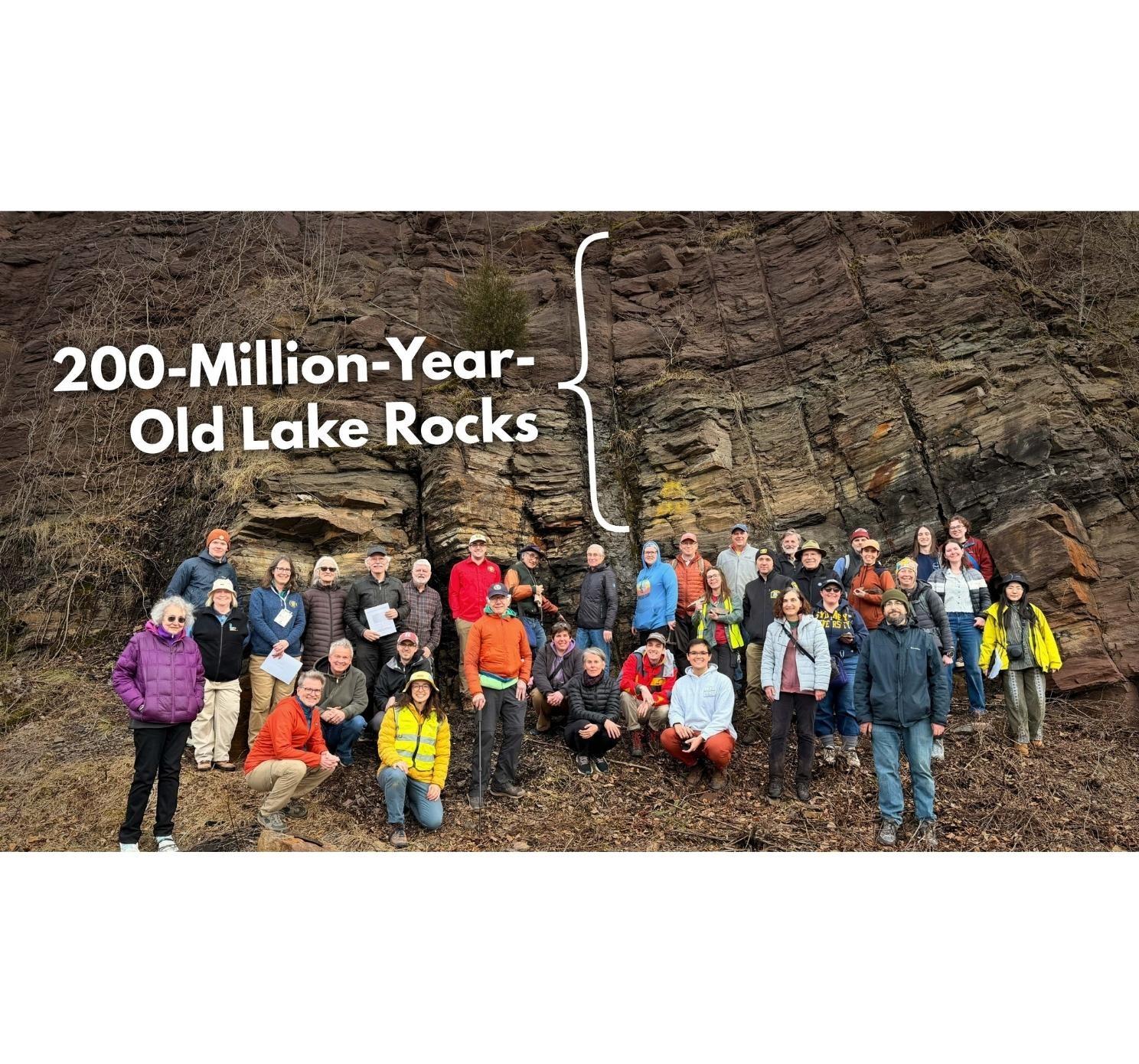
Field Trip to the Jurassic
Join field trip participants as they explore ~200-million-year-old lake deposits in Connecticut, USA.
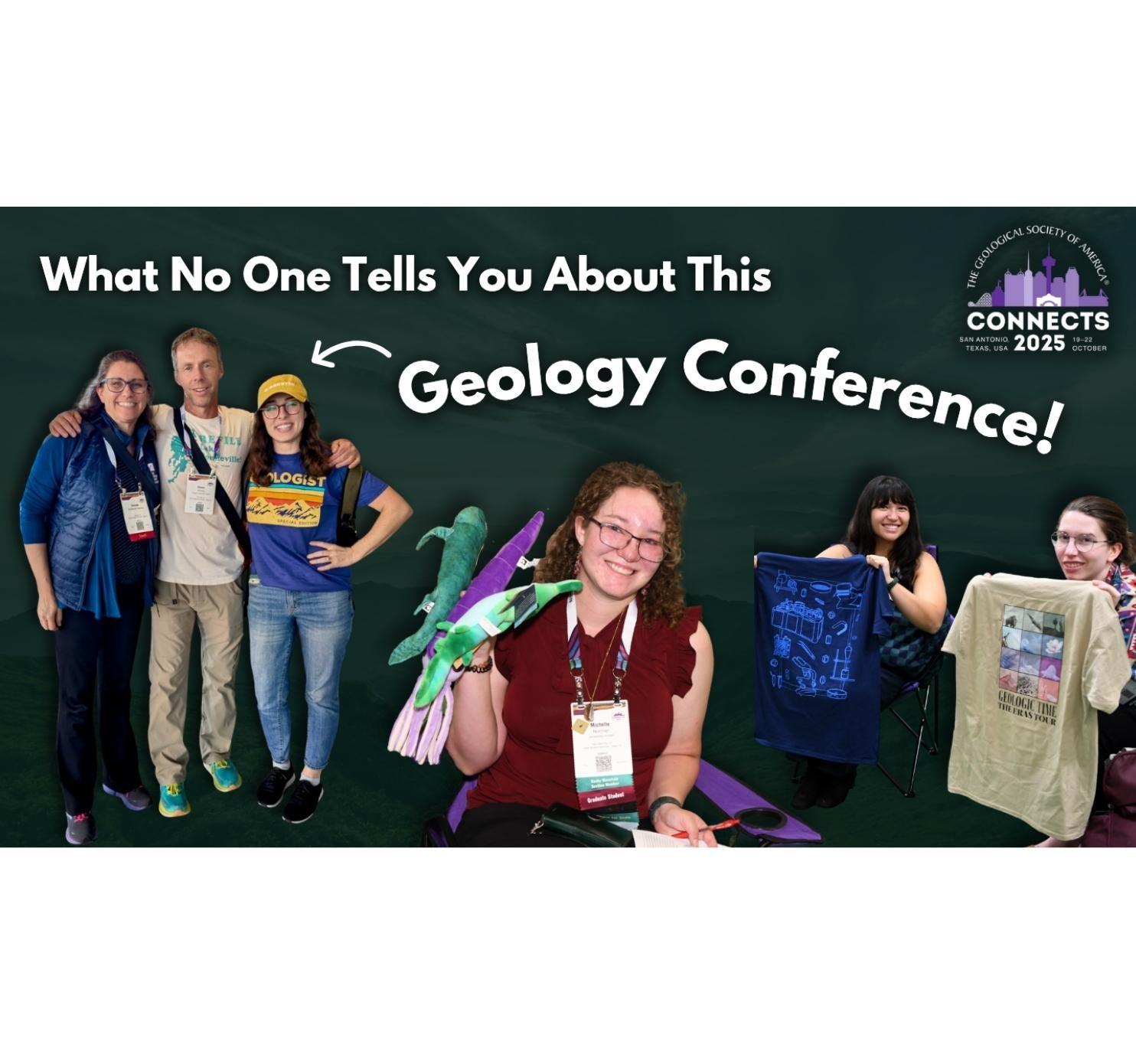
GSA Connects Meeting Recap
Get a sneak peek into what it’s like to attend GSA’s annual meeting, GSA Connects!
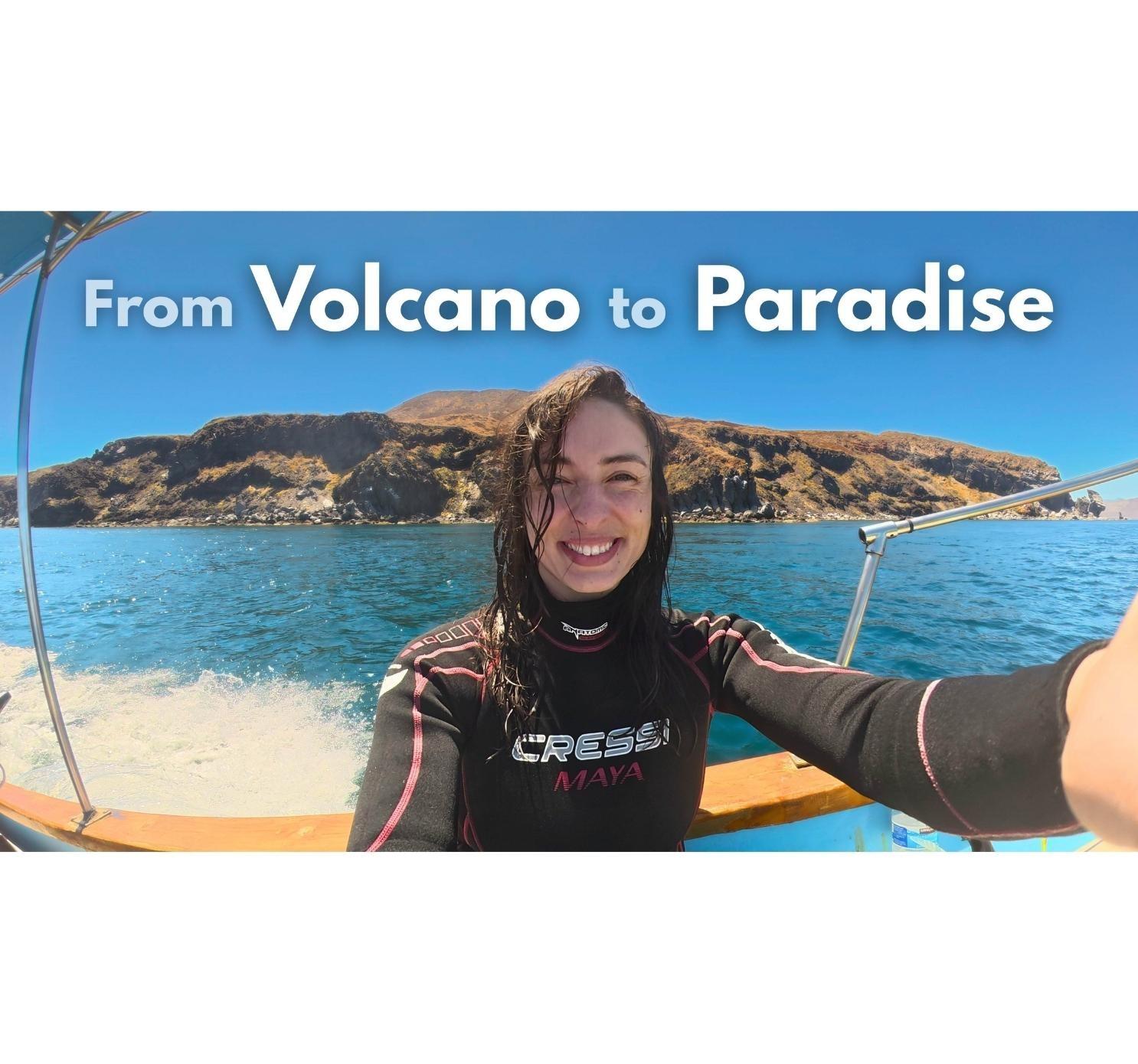
Snorkeling Around an Ancient Volcano
Learn how the volcanic island, Isla Coronado, went from lava to biodiversity hotspot.
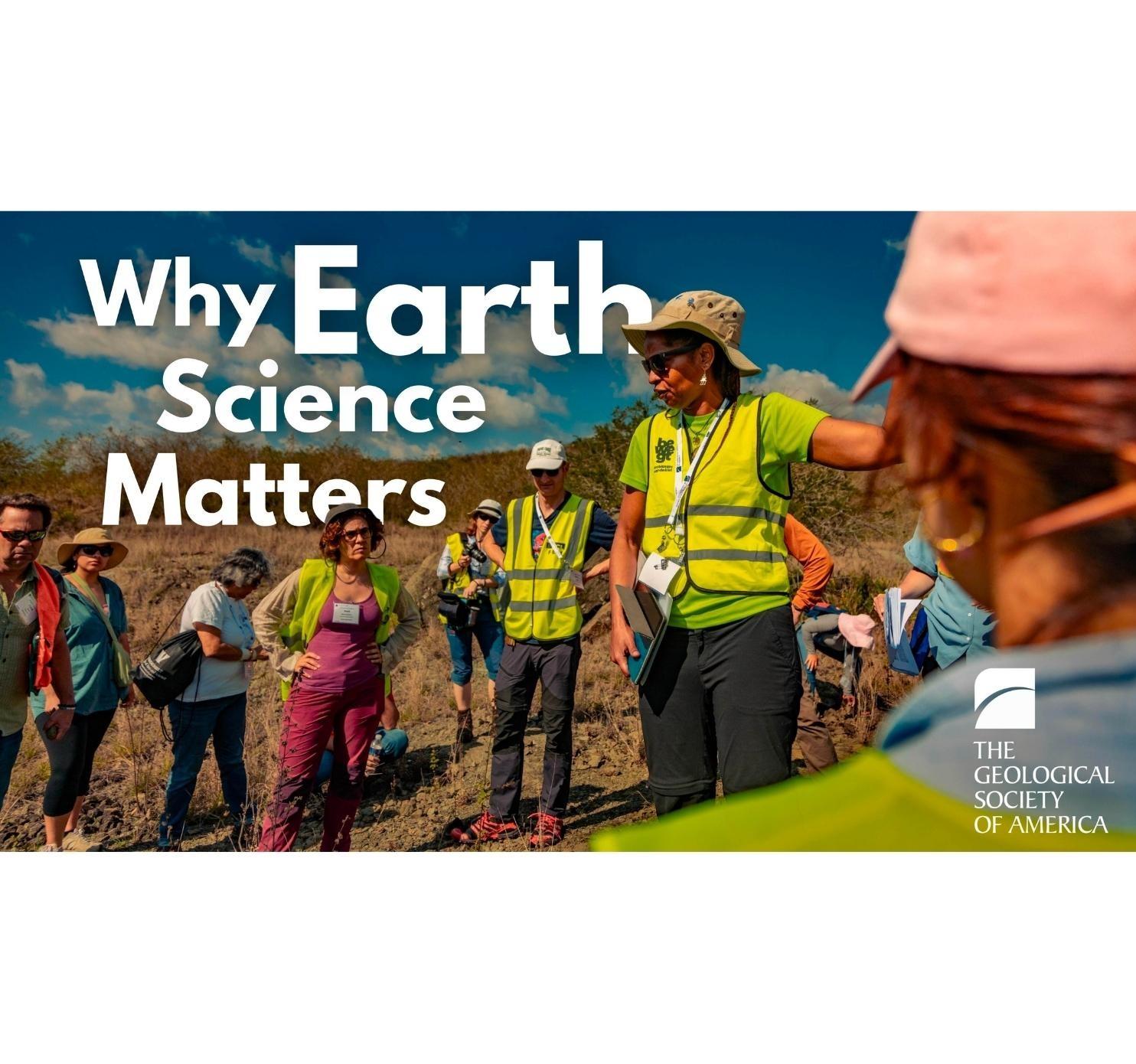
Earth Day 2026 Special
Hear from GSA members about their geoscience research & how it applies to society.
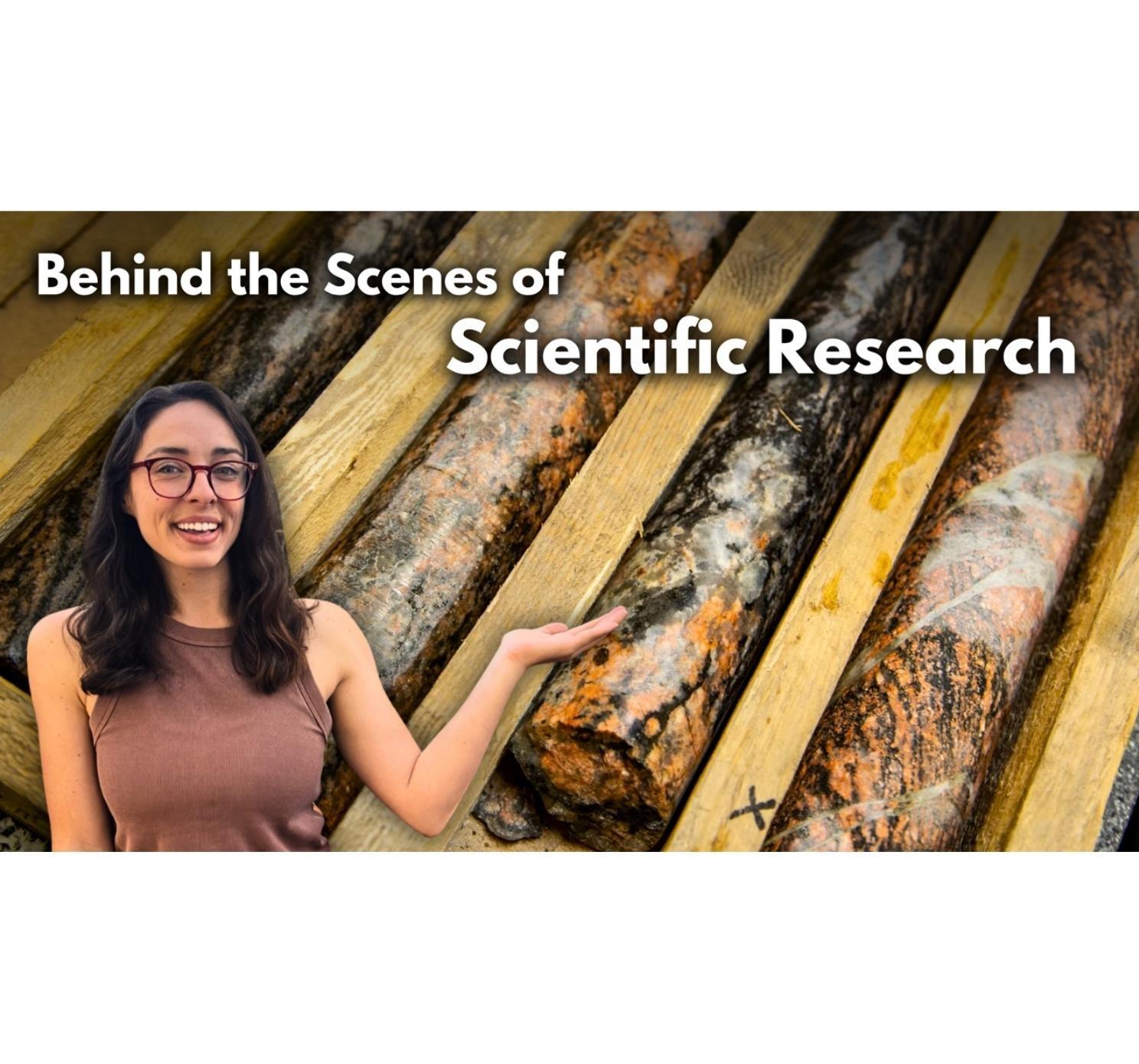
Behind the Scences of Geoscience Research
Learn how geoscientists use core samples and other tools & techniques in research.
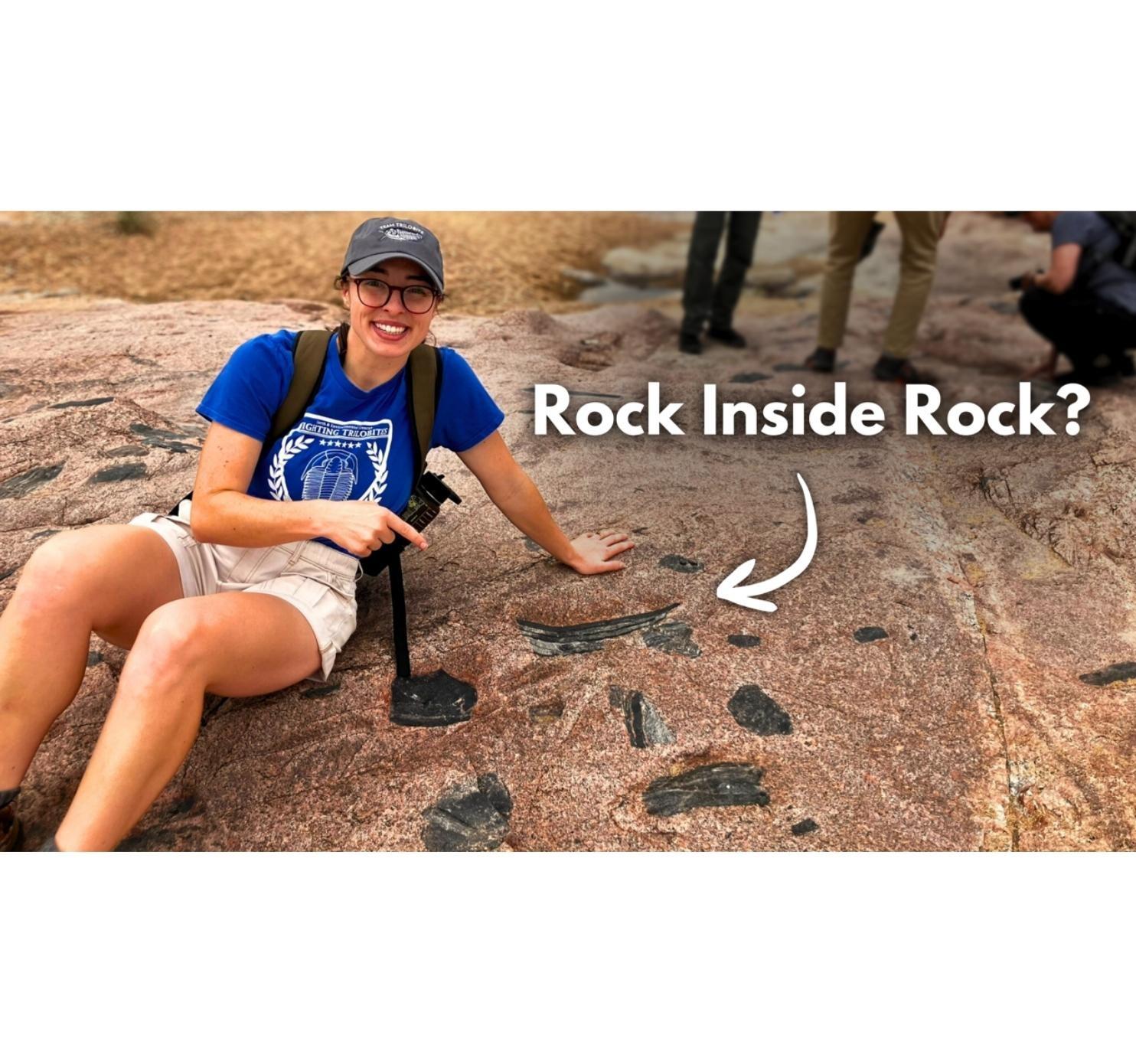
Exploring Billion-Year-Old Time Capsules
Join participants of a field trip to “Xenolith City” near Llano, Texas to learn how these ‘rocks in rocks’ formed!
Geology Bites Podcast
The Geology Bites podcast by Oliver Strimpel offers listeners a chance to stay current on new and exciting geoscience research through interviews with experts in diverse topics regarding Earth and our Solar System.
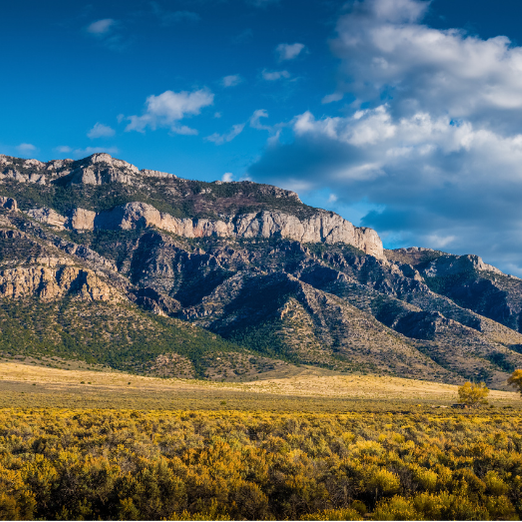
Brian Wernicke on Basin and Range Extension
How crustal extension created the Basin and Range Province and why this region is such an exceptional place to see a tectonic process that is often buried beneath sediment.
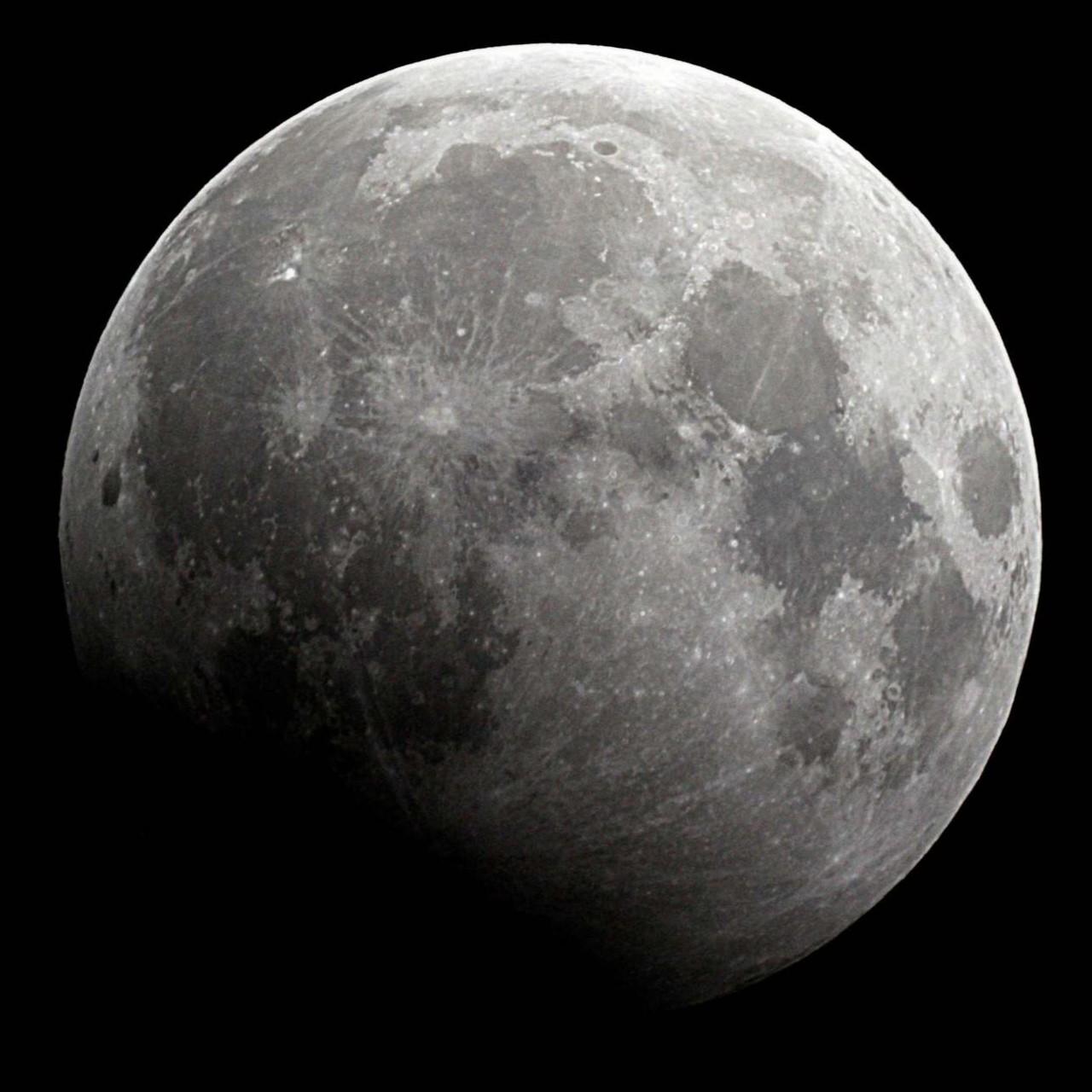
Sonia Tikoo on the Moon’s Magnetic Field
Did you know the Moon once had a magnetic field as strong as Earth's?
In this Geology Bites episode, Stanford geophysicist Sonia Tikoo discusses how scientists use the magnetic signatures preserved in lunar rocks to reconstruct the Moon's magnetic history.
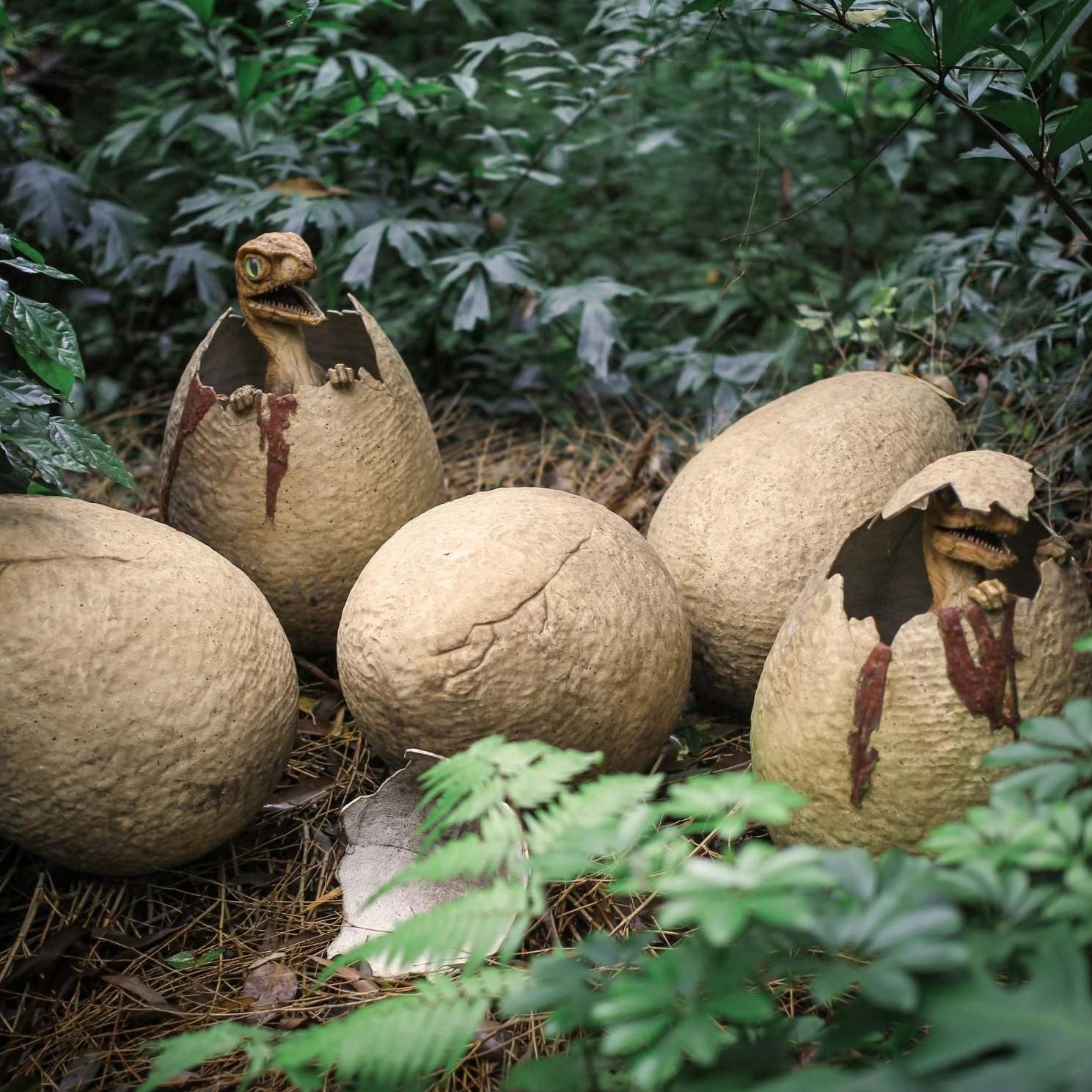
Steve Brusatte on the Dinosaurs That Survived the Asteroid
What allowed avian dinosaurs (birds) to survive the asteroid impact 66 million years ago over non-avian dinosaurs?
In this episode, Steve Brusatte, author of The Story of Birds, explains the story of how birds survived.
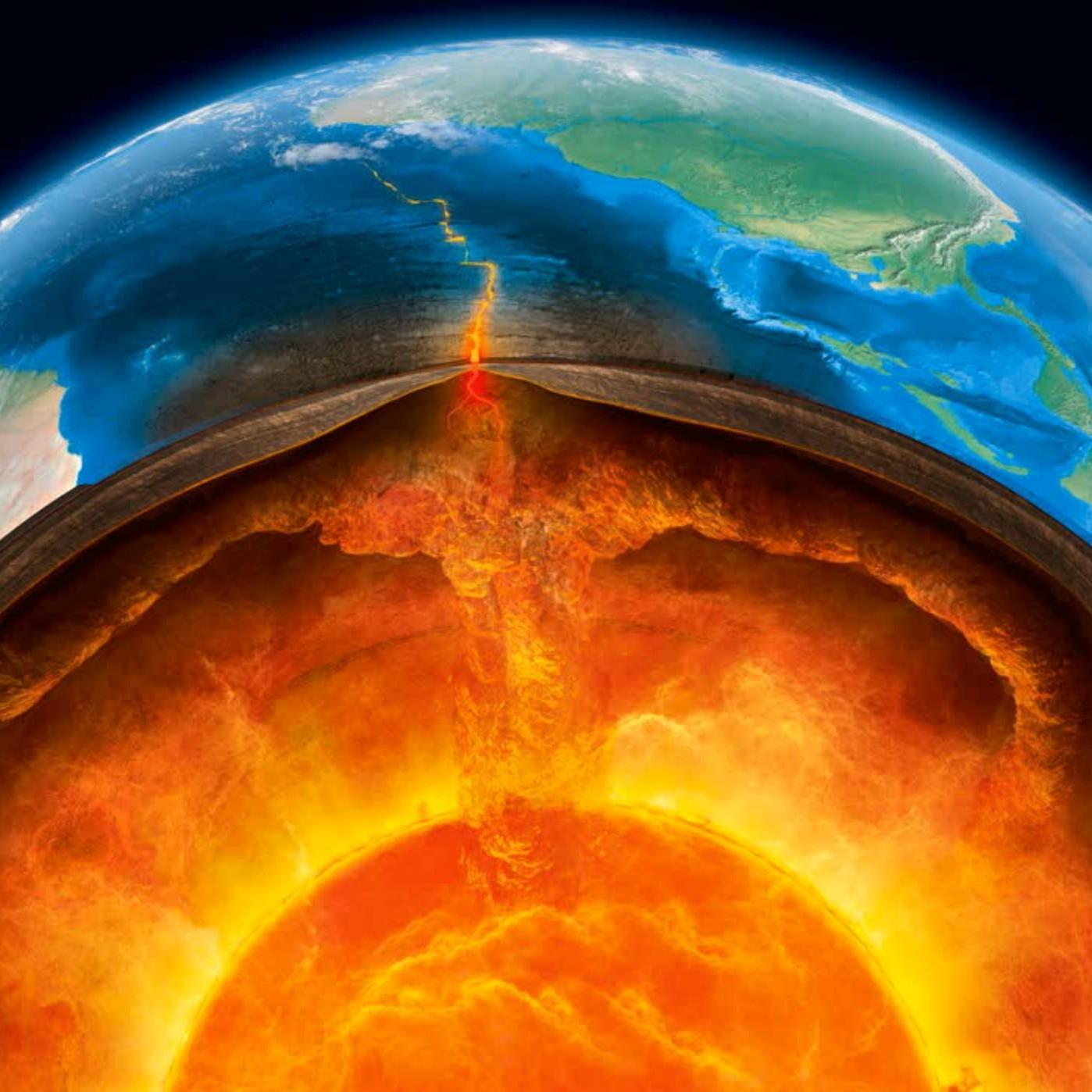
Alec Brenner on When Tectonic Plates First Moved
Plate tectonics is well-established on modern Earth… But we still don’t know exactly when it started.
In this episode, Alec Brenner discusses the use of paleomagnetism to reconstruct the ancient positions of continents, which helps us understand when tectonic plates may have started moving.
Hal Levison on the Mission to Jupiter’s Trojan Asteroids
Did the giant planets form where they are today—or did they migrate outward from much closer to the Sun? In this episode, Hal Levison explains how NASA's Lucy mission to Jupiter's Trojan asteroids could help answer this question.
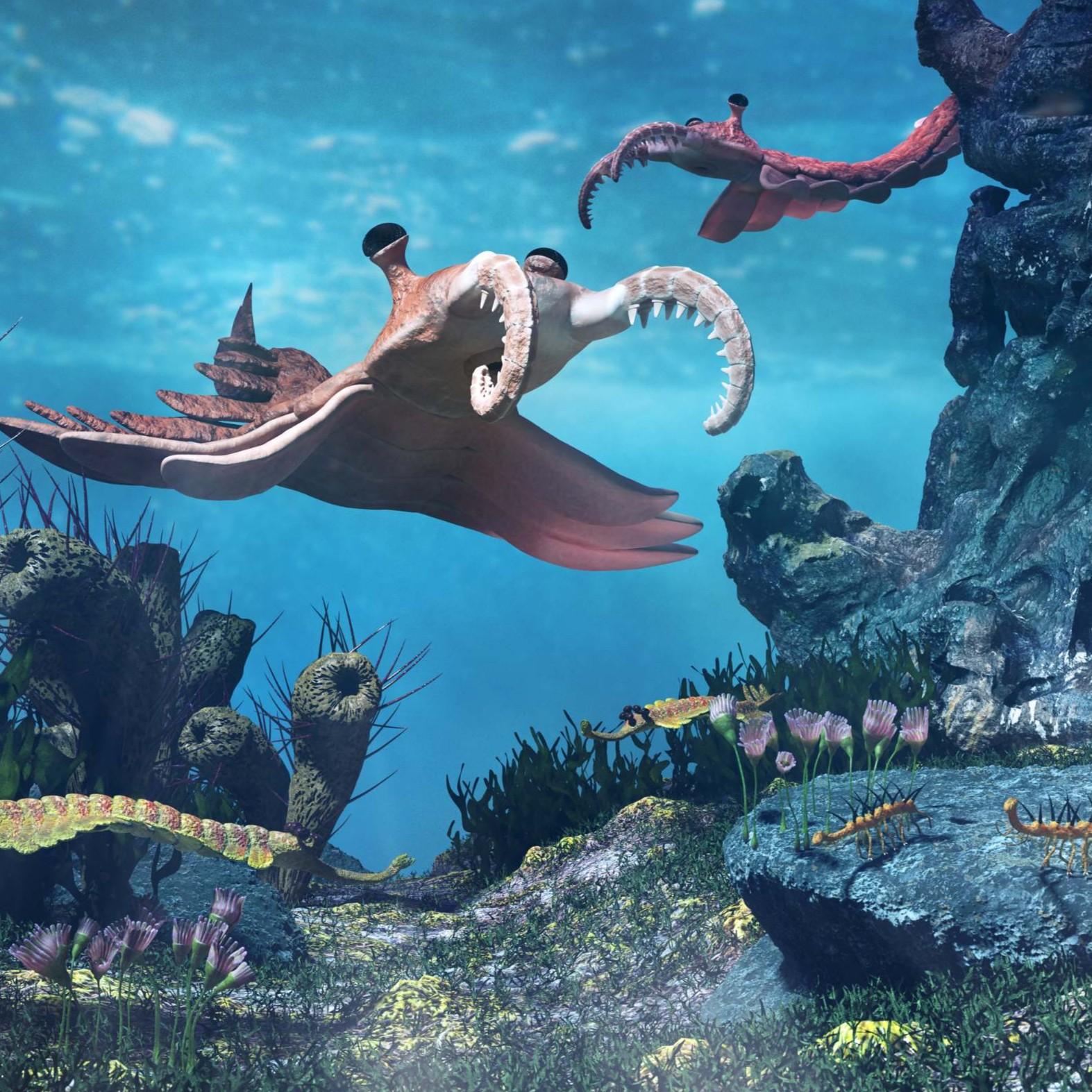
Sara Pruss on the First Reef Builders
The first animals to build reefs weren't corals—they were sponge-like organisms that appeared over 500 million years ago.
In this episode, Sara Pruss explores how these ancient reefs may have fueled the Cambrian Explosion.
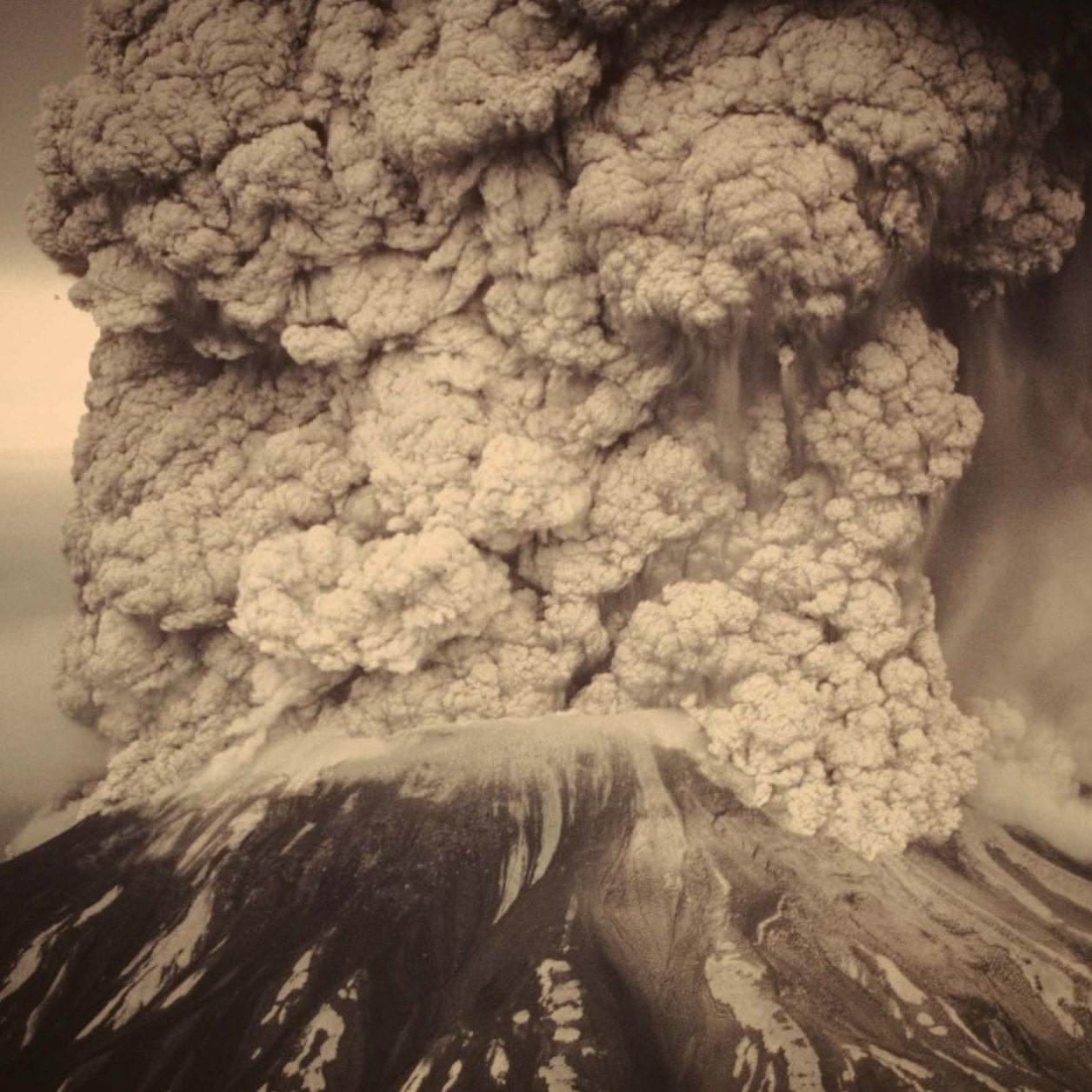
Michael Manga on Wet Eruptions
Water can transform an ordinary volcanic eruption into an extremely explosive one.
In this episode, Michael Manga explains how interactions between magma and water powered eruptions like the 2022 Hunga Tonga event.
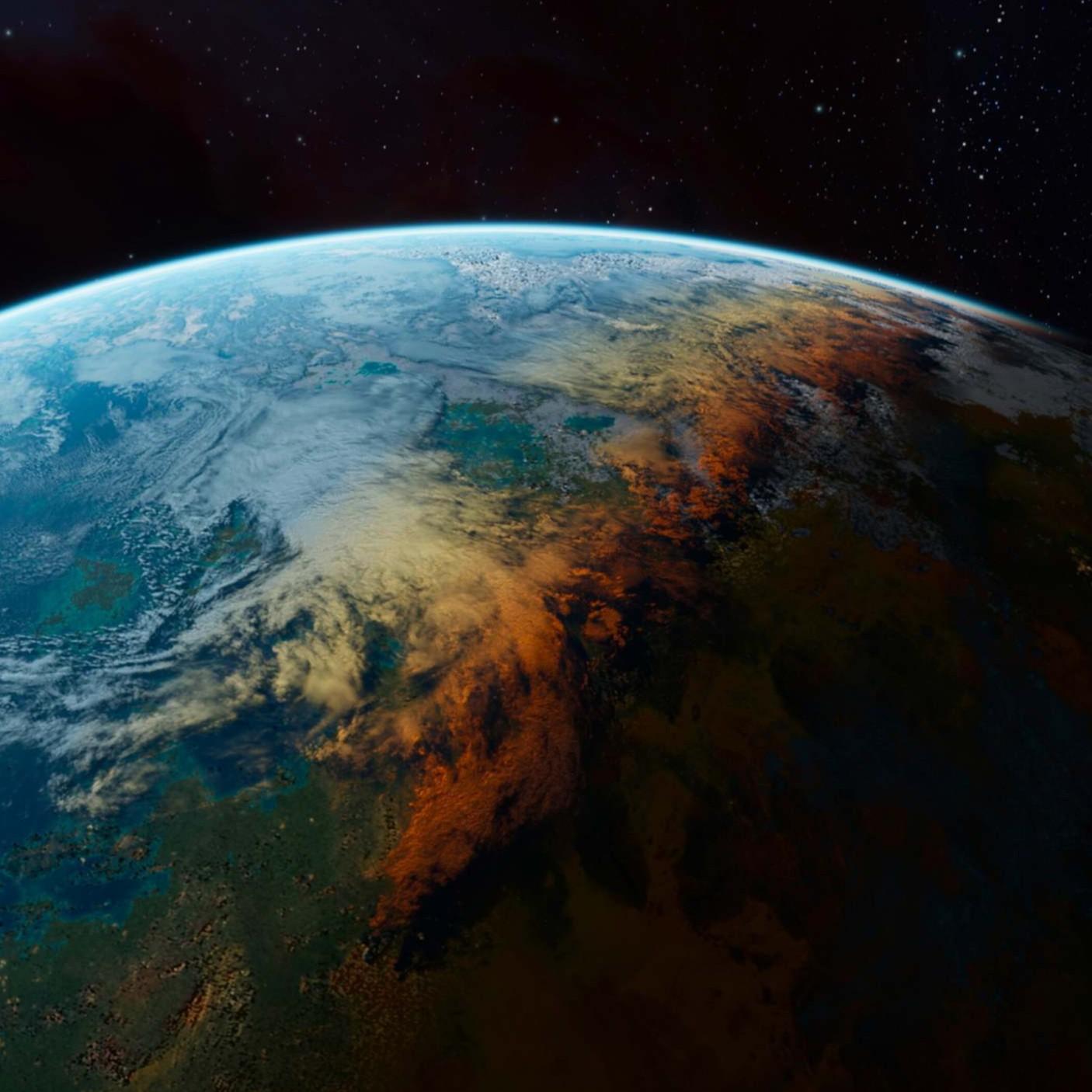
Anat Shahar on What Makes a Planet Habitable
Where does a planet's water come from?
In this episode, Anat Shahar explains how chemical reactions between a young planet's hydrogen atmosphere and molten interior may naturally produce water, suggesting habitable worlds could be more common than we once thought.