Our History
Founded in 1888 in Ithaca, New York, by a small group of geoscientists committed to fostering scientific exchange, we have grown from 100 founding members into an international society of thousands of Earth scientists across more than 90 countries. Now headquartered in Colorado, we continue to build on our long history by bringing together our diverse membership through regional sections, interdisciplinary interest groups, and specialty divisions that reflect the breadth and evolving nature of the geosciences.
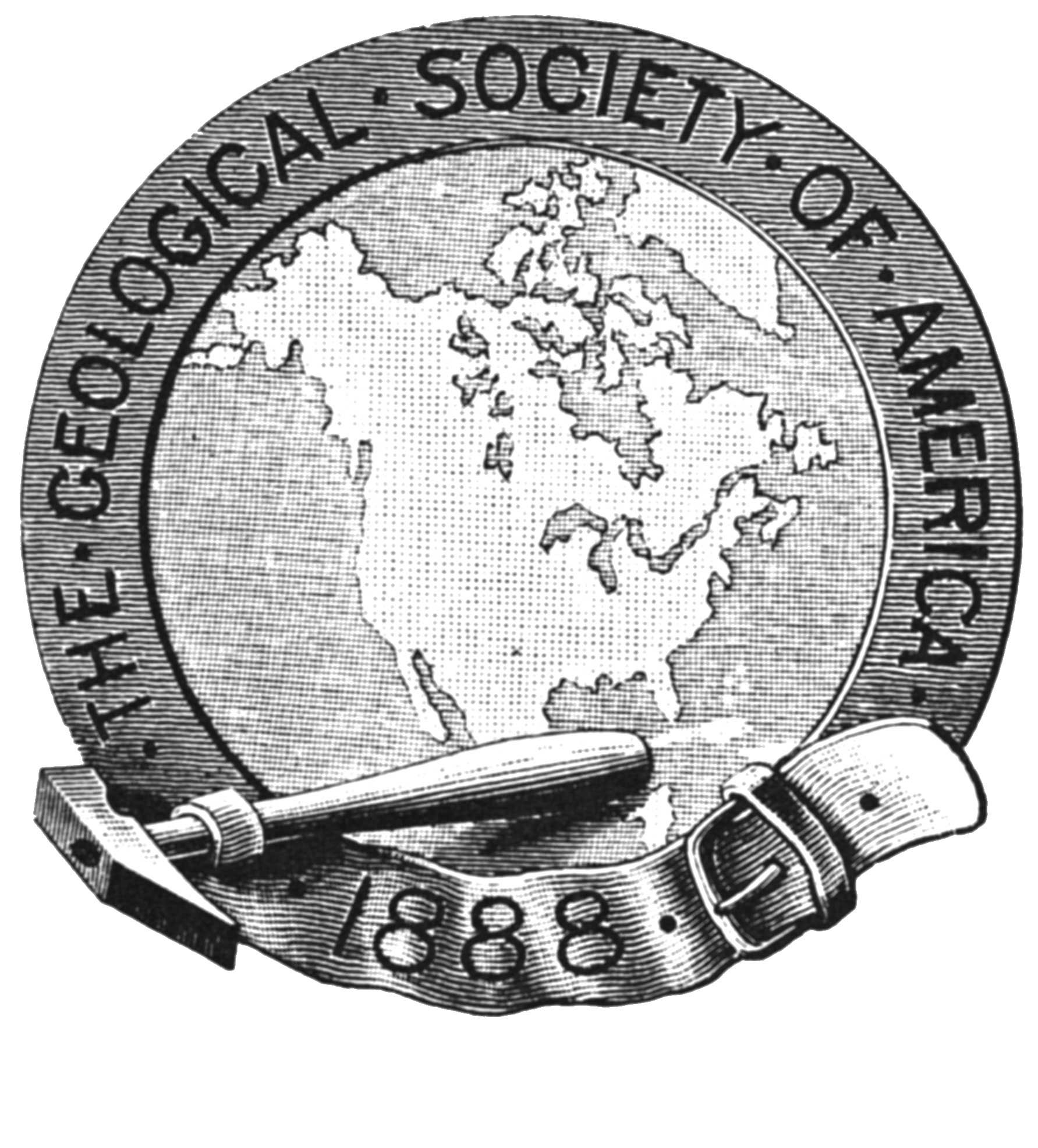
GSA is founded in Ithaca, New York.
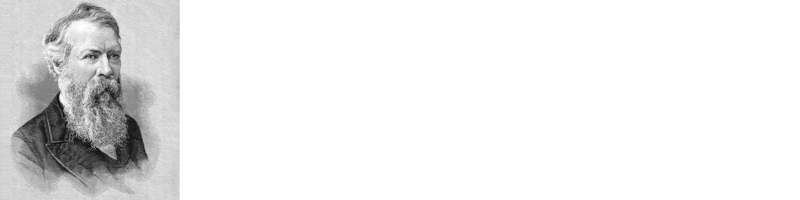
In June 1888, the American Geologist publishes a call for American geologists to consider forming a national geological society through the efforts of Alexander (pictured) and Newton Horace Winchell and their colleagues. Following a favorable vote that August, the first formal organizational meeting of the Geological Society of America takes place on 27 December 1888 at Cornell University in Ithaca, New York, establishing an organization dedicated to advancing geoscience research, collaboration, and education.
Mary Emilee Holmes becomes first woman GSA Fellow.
Her contributions include pioneering work in paleobotany, particularly studies of fossil plants and their classification, as well as influential research on plant-bearing strata in the United States.

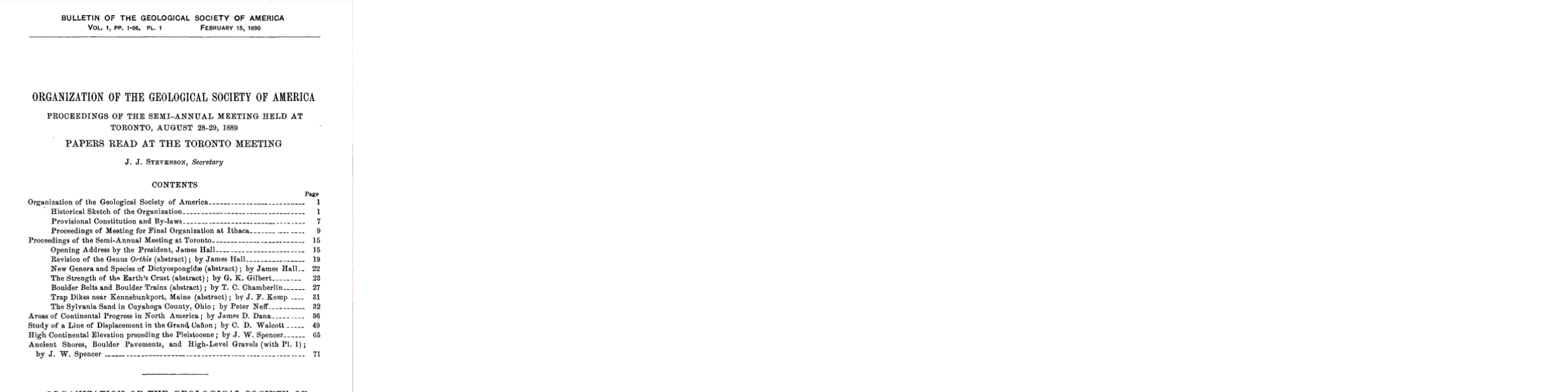
The first issue of the Bulletin of the Geological Society of America is published.
The launch of the Bulletin establishes one of the world's leading geoscience journals. It provides a forum for publishing original research and scientific discussion, helping disseminate new discoveries and shaping the development of the Earth sciences for generations.
More than a century later, the journal continues to publish influential research from across the geosciences, and readers can explore the latest issue of GSA Bulletin here.
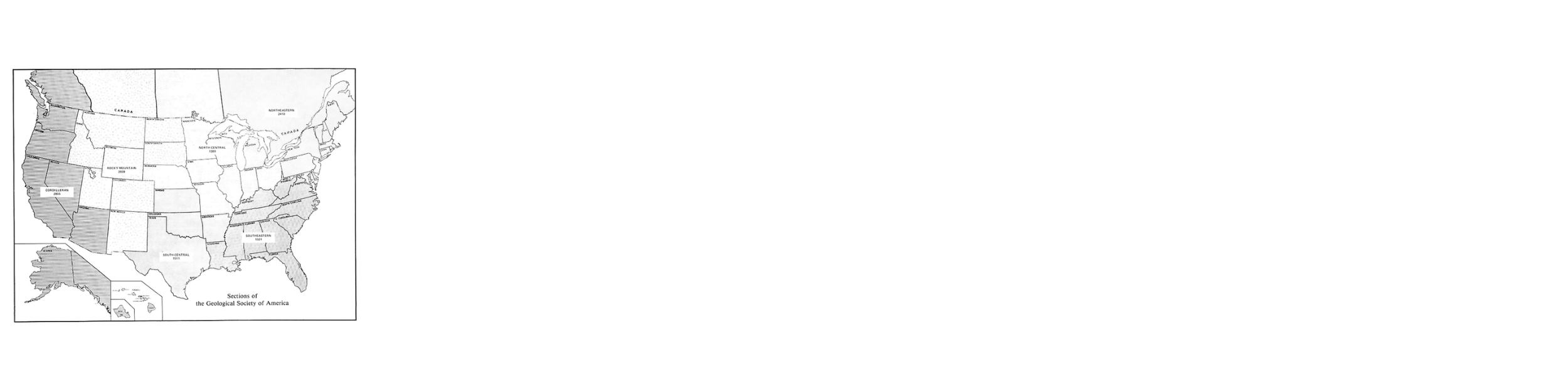
The first GSA Geographic Section, the Cordilleran Section, is formed.
The creation of the first GSA geographic section strengthens regional scientific collaboration and professional engagement among geoscientists. Today, GSA includes six Geographic Sections: Cordilleran, Rocky Mountain, North-Central, South-Central, Northeastern, and Southeastern.
GSA headquarters are established at the American Museum of Natural History in New York City.
Housing GSA within one of the nation's premier scientific institutions reflects the Society's growing prominence and provides a hub for administration, research, and collaboration during its formative decades.

Alfred Wegener proposes the theory of continental drift.
Wegener suggests that Earth's continents were once joined together in a single supercontinent and have gradually moved apart over geologic time. Although controversial when first introduced, the concept later becomes a foundational element of modern plate tectonic theory.

The Penrose Medal is established.
Established in 1927 through a gift from R.A.F. Penrose Jr.—an influential mining geologist, entrepreneur, and philanthropist who helped shape the development of economic geology in the United States—the Penrose Medal is GSA’s highest honor, recognizing outstanding original research in the Earth sciences and exceptional contributions that advance understanding of geology.
First awarded in 1927 to Thomas Chrowder Chamberlin for his pioneering work on glaciation, the origin of the solar system, and the geologic processes that shape Earth, the medal remains one of the most prestigious and respected awards in the geosciences.

Radiometric dating confirms Earth is billions of years old.
By measuring the decay of radioactive isotopes, geoscientists establish the first reliable numerical ages for rocks and geologic events. Radiometric dating transforms the understanding of deep time and provides the framework for reconstructing Earth's history.

The Penrose Endowment transforms GSA.
The 1931 endowment from R. A. F. Penrose Jr. marked a turning point for the Geological Society of America, transforming it into a major scholarly publisher and research benefactor. Upon his death, Penrose left approximately $4 million (about $69 million in 2026 value), enabling the Society to rapidly expand its scientific mission and long-term impact in the geosciences.

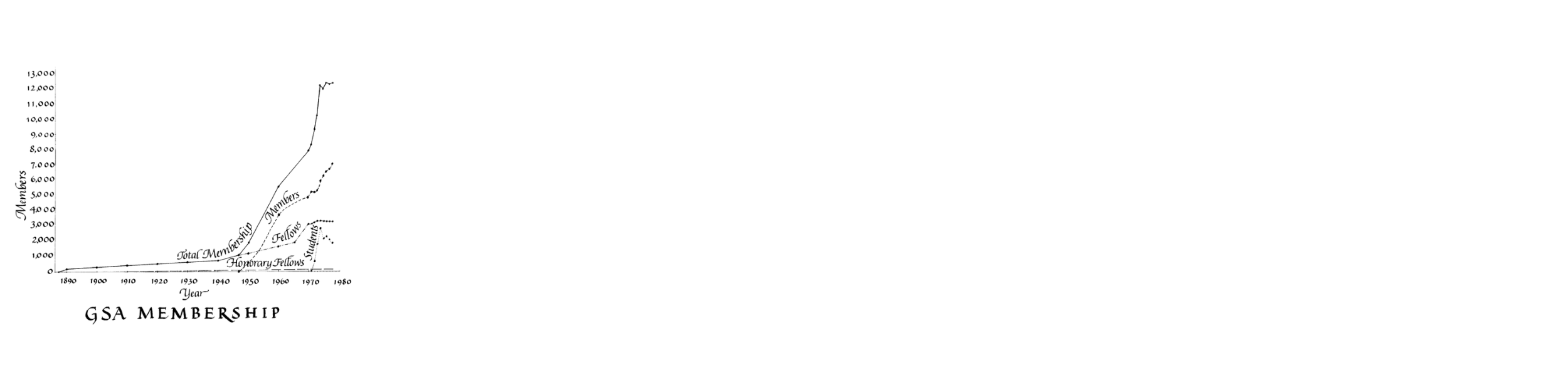
GSA reaches 1,000 Members.
This milestone reflects the Society's steady growth and the increasing importance of geoscience research and professional collaboration during the twentieth century.
Pictured: GSA logo from 1935-1945.
The Engineering Geology Division is formed.
The first scientific division is established at GSA. Renamed the Environmental and Engineering Geosciences Division in 2011, it is one of the 22 Scientific Divisions today, representing a wide variety of fields that play a vital role within the Society including contributing to the technical sessions at the annual meeting, GSA Connects.

Seafloor spreading is confirmed.
Harry Hess proposes seafloor spreading. Later, the Vine–Matthews–Morley hypothesis shows that symmetrical magnetic striping preserved in the ocean floor records geomagnetic reversals, providing key evidence for plate tectonics.

GSA Headquarters moves to Colorado.
The relocation to Colorado places GSA in a growing center of scientific research and higher education, where the Society continues to serve the international geoscience community today.

Apollo 11 returns lunar rock samples.
The first samples collected from another planetary body usher in the modern era of planetary geology. Their study expands understanding of the Moon's history and the evolution of rocky planets. GSA later establishes its Planetary Geology Division in 1981.

GSA reaches 10,000 Members.
The Society's rapid growth reflects expanding interest in the geosciences and GSA's increasing role in supporting research, education, and professional development worldwide.
GSA opens Colorado Headquarters.
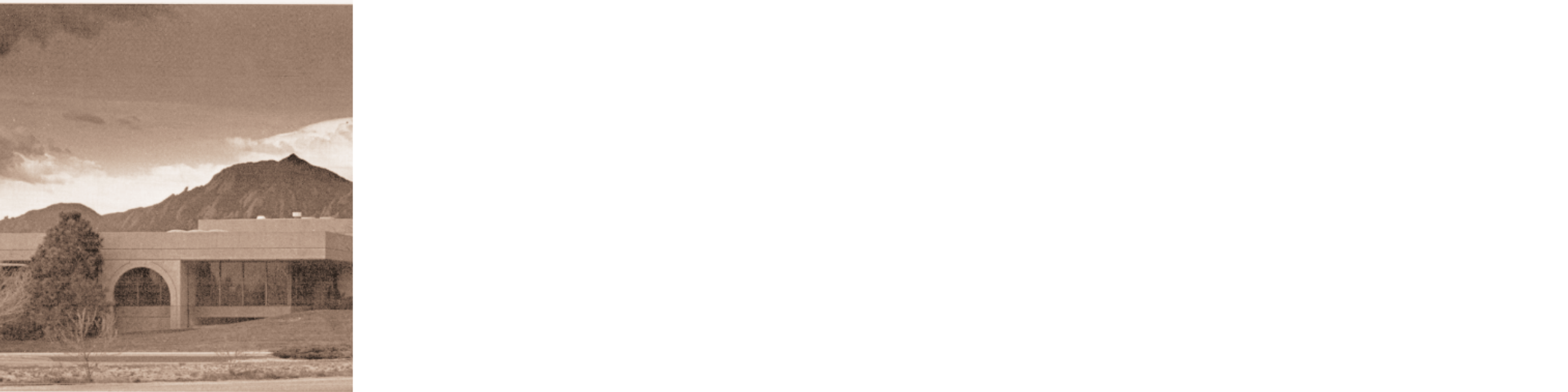
GSA officially opens its headquarters in Boulder, Colorado, on 20 October 1972, establishing a western home for the Society and its growing activities.
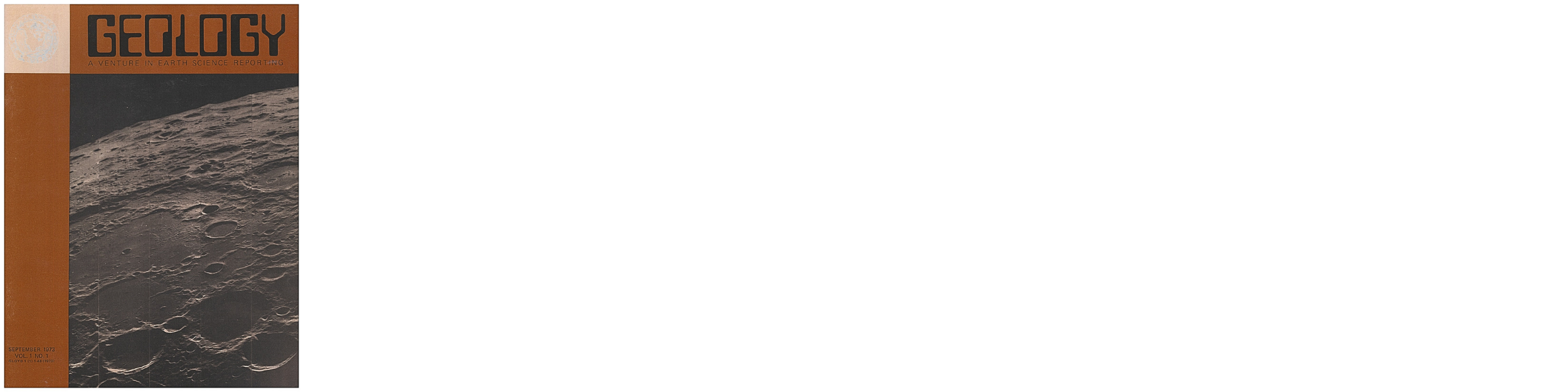
The flagship journal Geology is launched.
Designed to publish concise, high-impact research papers, Geology quickly becomes one of the discipline's most influential journals, highlighting groundbreaking discoveries across the Earth sciences.
Access the most recent Geology issue here.
Asteroid-impact hypothesis for the dinosaur extinction is published.
Luis and Walter Alvarez and their colleagues propose that a massive asteroid impact triggered the end-Cretaceous mass extinction. The hypothesis transforms understanding of Earth's history and demonstrates the role of catastrophic events in shaping life on the planet.

The GSA Foundation is formed.
The Foundation provides philanthropic support for the Geological Society of America by funding research, student opportunities, education initiatives, outreach programs, and efforts that advance the geosciences and their societal impact.

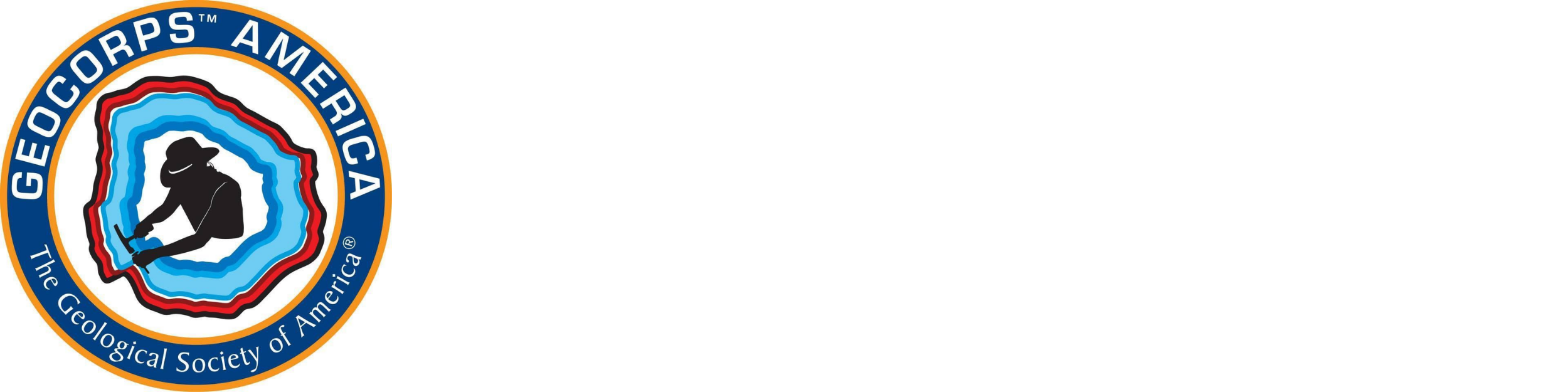
The First Decade of North American Geology (DNAG) volume is published.
The Decade of North American Geology (DNAG) is a massive, landmark project led by GSA to celebrate its 100th anniversary. Spanning the 1980s through 2005, it produces the first comprehensive synthesis of the continent's geology, integrating plate tectonics and modern radiometric dating.
GeoCorps™ America Program is launched.
Position statements strengthen GSA’s voice.
In the early 2000s, GSA formalizes its public policy voice through Position Statements. Council approves the Society’s first three statements on Teaching Evolution (2001), Rewarding Professional Contributions in the Public Spheres (2001), and The Value of Geologic Mapping (2003). As the portfolio grows, GSA’s Position Statements address an expanding range of geoscience issues, including Climate Change (2006), Geoheritage (2012), Responsible Geologic Fieldwork Practices (2022), and The Benefits of Professional Geologist Licensure (2025).
Today, GSA maintains 29 Position Statements, developed and stewarded by the Geology and Public Policy Committee (GPPC), that connect geoscience expertise to public policy, education, professional practice, and decision-making.

EarthCache™ Program starts.
EarthCache™ allows people around the world to explore geologic features through location-based educational experiences. By combining geoscience with geocaching, the program promotes public engagement and Earth science literacy outside the classroom.
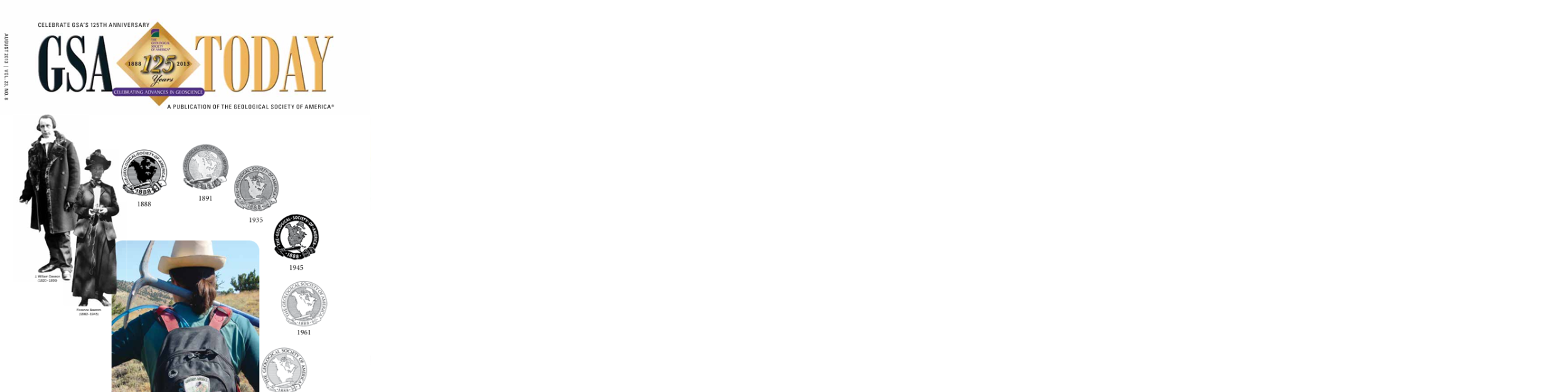
GSA celebrates its 125th anniversary.
The anniversary commemorates more than a century of advancing geoscience through research, publications, meetings, education, and public outreach while reflecting on the Society's enduring impact on the Earth sciences.
The GSA annual meeting is now titled GSA Connects.
The Geological Society of America's annual meeting adopts the name GSA Connects, reflecting its role as a forum that brings together geoscientists from around the world to share research, exchange ideas, build collaborations, and address pressing scientific challenges. The meeting continues as GSA's flagship scientific conference, hosted annually in rotating cities.

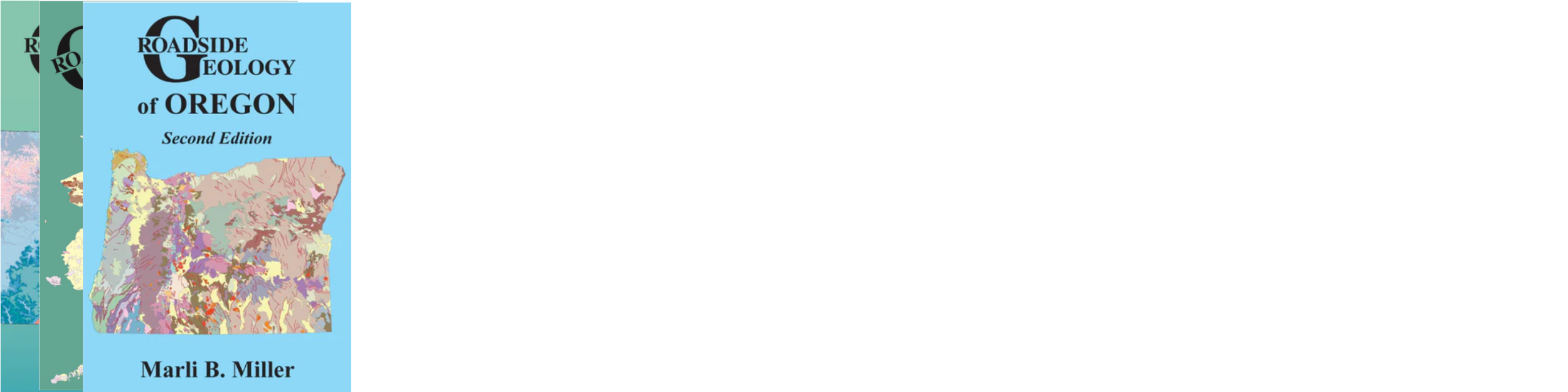
GSA acquires the Mountain Press geology series books.
The acquisition expands GSA's publishing portfolio and preserves a respected collection of geologic field guides and educational resources. It strengthens the Society's ability to connect professionals, students, and the public with accessible, high-quality geoscience publications.
GSA becomes sponsoring organization for the U.S. Geoheritage Committee.
National efforts to conserve and celebrate America’s geoheritage are strengthened as the Geological Society of America becomes the sponsoring organization for the U.S. Geoheritage Committee—the geologic sites and landscapes that illuminate Earth’s history and hold scientific, educational, cultural, and recreational significance. Through partnerships and public engagement, GSA advances the protection and appreciation of these irreplaceable places for future generations.

GSA launches Earth in Common.
GSA launches Earth in Common, a two-year collaboration advancing geoscience research, education, and public understanding of Earth systems across North America and the societies that depend on them. Anchored by major international gatherings in Montréal, Calgary, and Portland, the initiative celebrates advances in geoscientific knowledge of shared resources, technology, history, hazards, climate, and landscapes that shape life across North America and beyond.
Key Events
- GSA Connects 2027
17–20 October 2027 | Montréal, Québec, Canada
12–20 August 2028 | Calgary, Alberta, Canada
- GSA Connects 2028
8–11 October 2028 | Portland, Oregon, USA