
Congressional Science Fellowship
Current Fellow
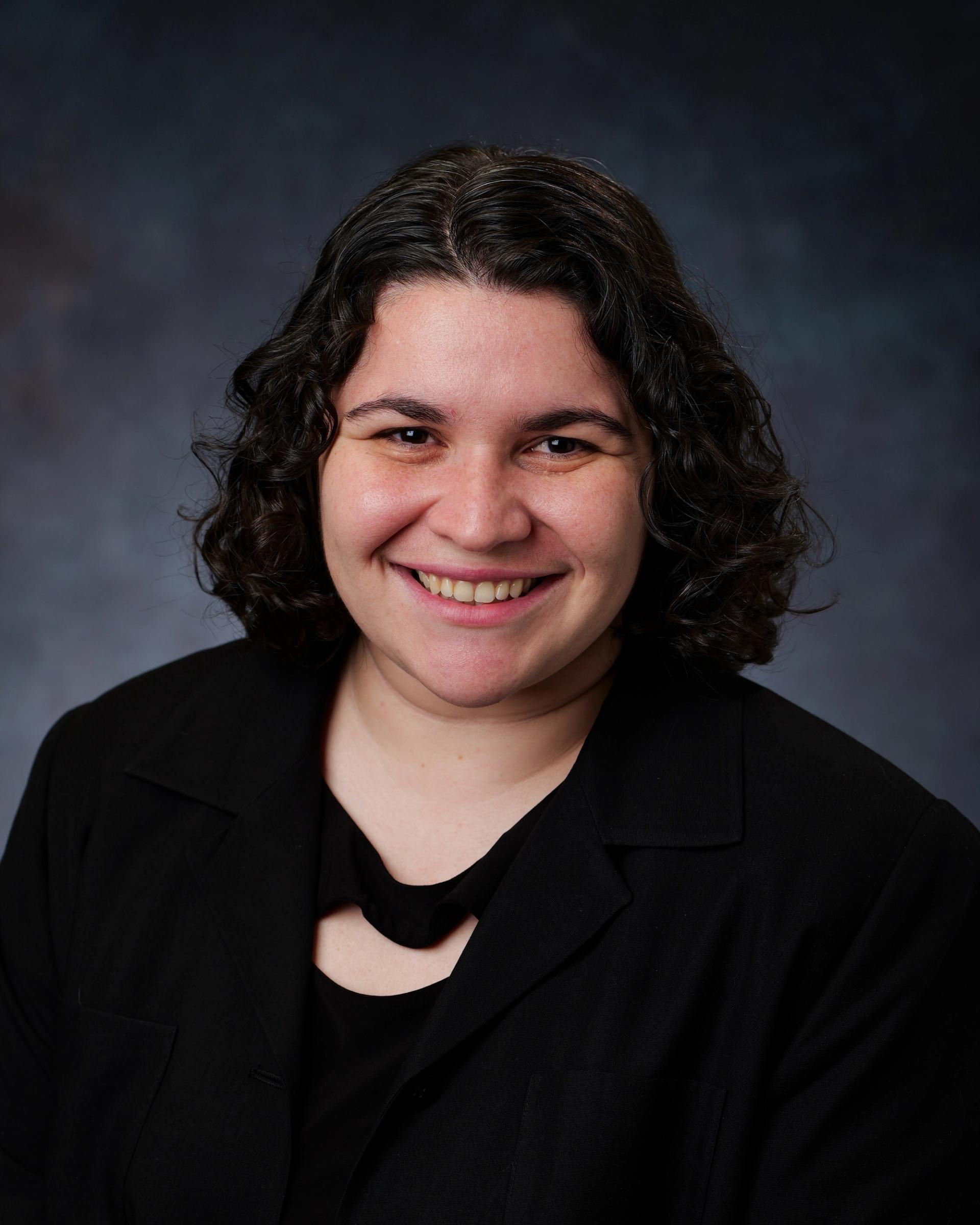
Stephanie Plaza-Torres will be the 2026-2027 GSA-USGS Congressional Science Fellow. She is a geoscientist with a background in paleontology and geochemistry, and an interest in federal science policy. During her Master's at the University of Colorado Boulder, Stephanie investigated fossil plants and coprolite microbial activity using stable carbon isotope geochemistry. She also led and participated in outreach and mentorship programs designed to provide formative research experiences to undergraduate students. She earned her bachelor's degree in Geology with a minor in Statistics and Probability from the University of Puerto Rico, Mayagüez.
Stephanie's science policy engagement began through work with the American Geosciences Institute and the Paleontological Society, where she studied fossil collection practices and contributed to policy discussions around museum collection management. She continued to engage in science policy through the Paleontological Society Governmental Affairs Committee and Congressional Visits Days, interfacing directly with legislative staff on issues affecting the geoscience community. At the National Science Foundation (NSF), Stephanie conducted proposal data analytics and supported NSF's work associated with Tribal Nation engagement and consultation.
Looking to Expand Your Professional Horizons?
Believe in Serving Society Through Science?
Ready for a Unique Challenge?
Put your expertise to work helping shape science and technology policy on Capitol Hill. The GSA-USGS Congressional Science Fellow spends a year working as a staff member for a member of Congress or congressional committee.
If you are a geoscientist with a broad scientific background, experience in applying scientific knowledge to societal challenges, and a passion for helping shape the future of the geoscience profession, GSA and the USGS invite your application before the 26 January 2026 deadline. Please read our detailed fellowship page for more information.
Learn more about fellows’ experiences by reading current and past Congressional Science Fellow reports.
The Congressional Science Fellowship is offered by the Geological Society of America and the U.S. Geological Survey as part of the American Association for the Advancement of Science Congressional Science and Engineering Fellows Program.
Learn more about the 2025-2026 GSA-USGS Congressional Science Fellow. Dr. Collins
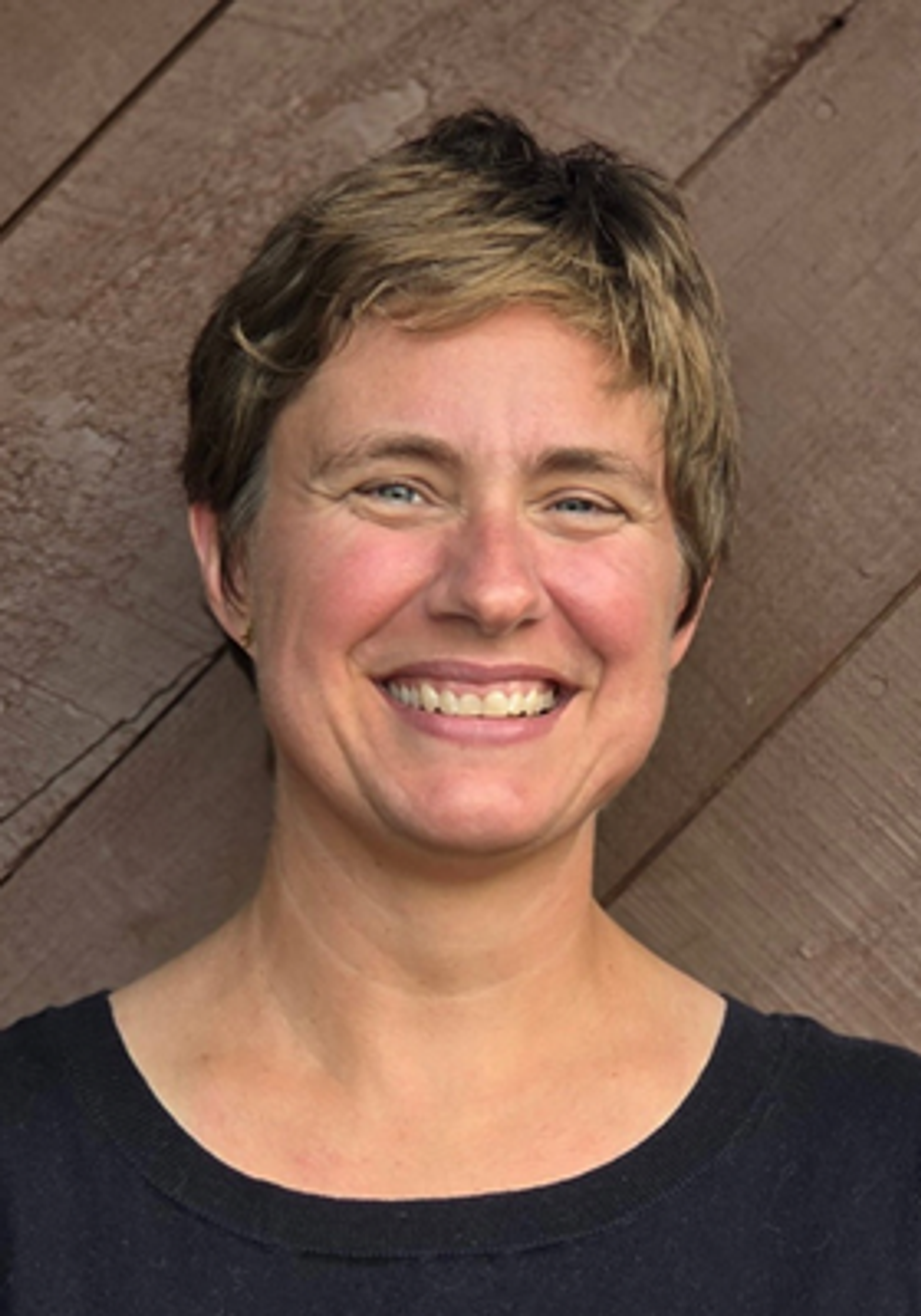
Dr. Pamela Collins is the 2025-2026 GSA-USGS Congressional Science Fellow. Dr. Collins is an ecosystem ecologist with expertise in biogeography, computational earth system modeling, climate change, geospatial analysis, remote sensing/earth observation, ecosystem services, and domestic and international public policy. Her career to date has included domestic and international roles in the public, private, non-profit, and academic sectors. Most recently, Dr. Collins served as the Senior Advisor for Interagency & International Affairs in the Earth Science Division at NASA Headquarters, as part of Booz Allen Hamilton’s team supporting NASA’s Earth Science activities. In this role, she provided science-based policy guidance to senior NASA Earth Science leadership and supported the coordination of high-level Earth observation strategy, research, and applications activities across over a dozen US federal executive branch agencies within the US Group on Earth Observations as well as internationally within the intergovernmental Group on Earth Observations.
Prior to joining NASA, Dr. Collins was the Director for Ecosystem Services Science in the Moore Center for Science at Conservation International. In this role, she conducted and coordinated geospatial ecosystem services research to inform national and global conservation policy, including the Convention on Biological Diversity and the Science-Based Targets for Nature network. In 2015-2017, Dr. Collins served as the AAAS Science and Technology Policy Fellowship at the Institute for Water Resources of the US Army Corps of Engineers, where she worked on topics in ecosystem restoration and green infrastructure. She earned her Ph.D. in Switzerland at the Ecole Polytechnique Federale de Lausanne, where she used computational modeling and geospatial analysis to evaluate the human and natural drivers of European vegetation change since the end of the last Ice Age. She earned her undergraduate degree with a double major in ecology and environmental studies from Dartmouth College, and her early education in Tucson, Arizona emphasized the importance of water resources management and desert and montane ecosystem stewardship in partnership with local and Indigenous communities.
Past Fellows & Reports
Past CSF Fellows

Jennifer Hess
1986–1987
Senate Committee on the Environment and Public Works / Subcommittee on Toxic Substances, Environmental Oversight, Research and Development
James E. Evans
1987–1988
Representative Michael Lowry
Elizabeth Robinson
1988–1989
Representative Richard A. Gephardt
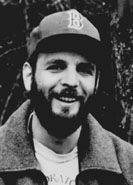
Daniel R. Sarewitz
1989–1990
Representative George E. Brown, Jr.
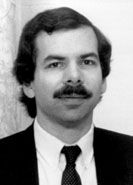
Craig M. Schiffries
1990–1991
Senate Committee on the Judiciary / Subcommittee on Technology and Law