
Hazard Mitigation Policy Lessons from My Two-Year Congressional Science Fellowship
Robby Goldman
In this article
Figure 1
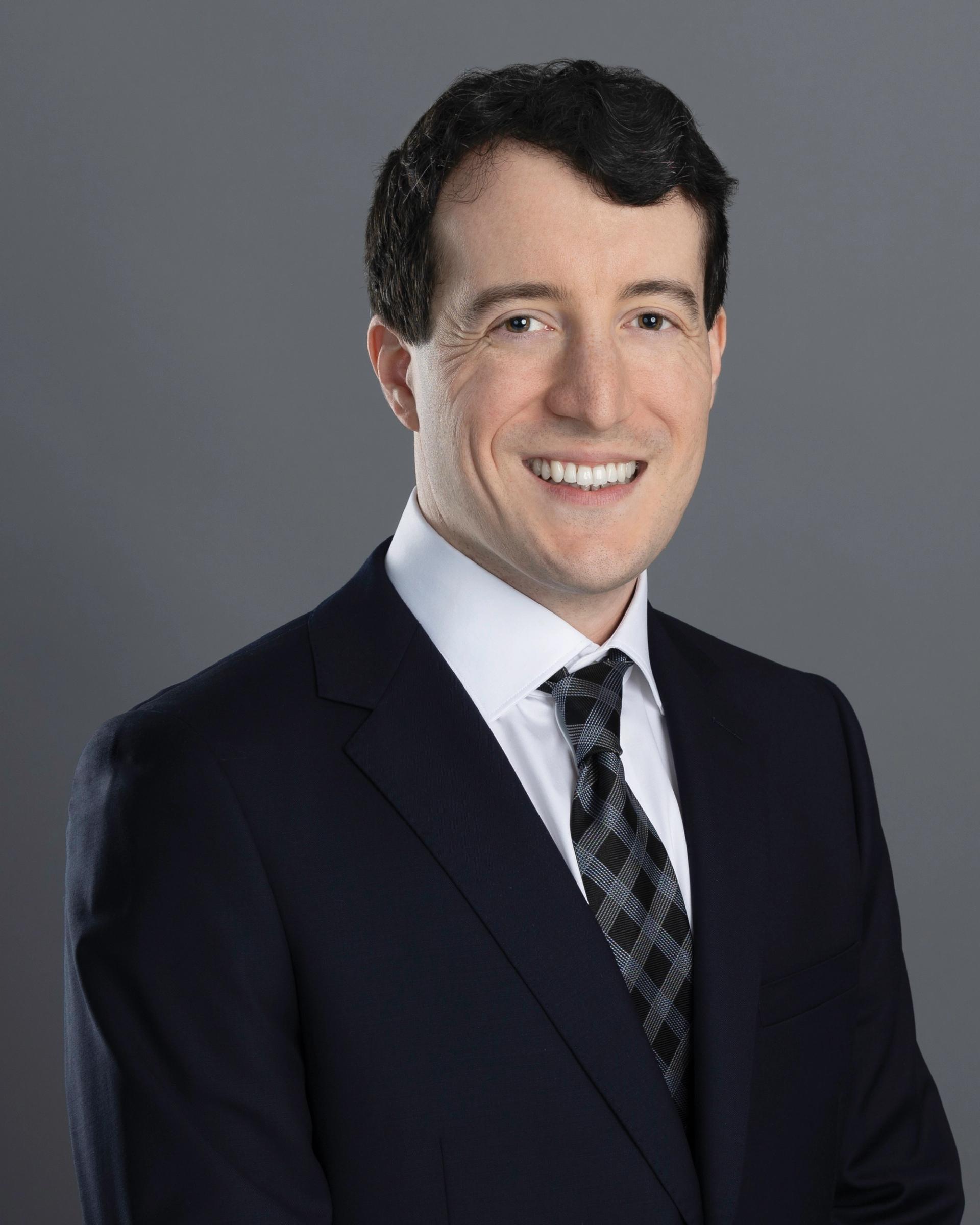
Robby Goldman.
Robby Goldman, 2023–2025 GSA–USGS Congressional Science Fellow, GPPC Chair-Elect
As natural disaster events become more frequent and costly, scientists play a critical role in ensuring that communities at risk of encountering natural hazards are equipped with the knowledge, tools, and support they need to reduce the risk of a serious disaster. Through studying the causes and patterns in how various Earth systems interact with each other and human societies, both earth and social scientists provide foundational knowledge that emergency managers and lawmakers rely on to shape and implement policies meant to mitigate disaster risk. While completing my PhD, I contributed to this knowledge by conducting research exploring the role of trust in facilitating hazard communications between USGS scientists and Hawaii residents during Kilauea Volcano’s 2018 eruption.
As the Geological Society of America (GSA)–U.S. Geological Survey (USGS) Congressional Science Fellow (CSF) from September 2023–August 2025, I had the rare opportunity to apply the scientific lessons I learned from my recently completed PhD research to help U.S. Senator Mazie K. Hirono (D-Hawaii) provide federal legislative support to communities impacted by the August 2023 Lahaina and Upcountry Maui wildfire disaster. This experience gave me an invaluable perspective into how policymakers and emergency managers use scientific knowledge to shape and implement federal disaster mitigation policies. It also allowed me, as a Native Hawaiian, to continue fulfilling my kuleana (personal sense of responsibility) in helping Hawaii communities recover from past disasters and receive the knowledge and support they need to mitigate future ones.
Figure 2
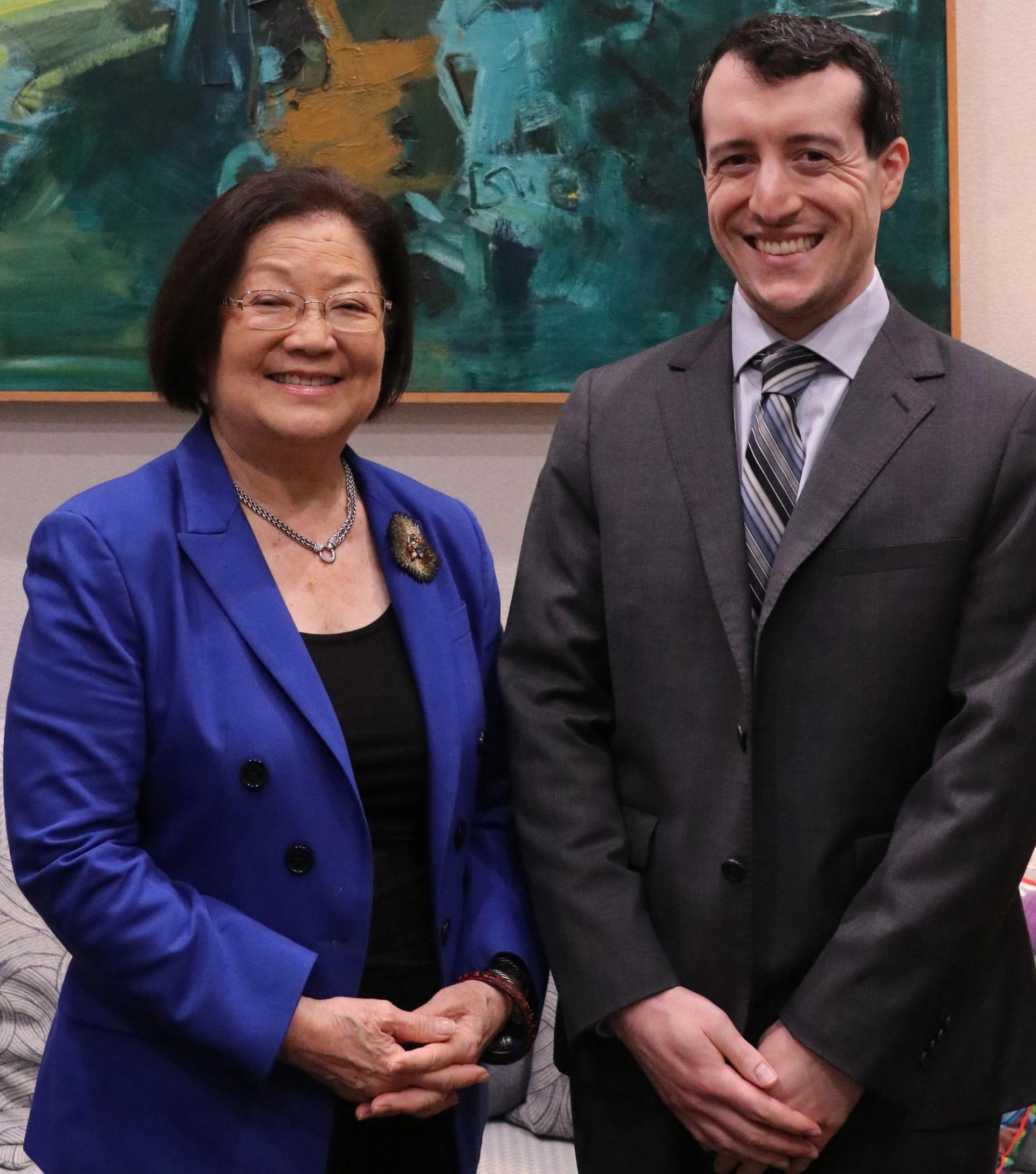
Robby poses for a photo with U.S. Senator Mazie K. Hirono inside her main office.
During my fellowship, I helped U.S. Senator Hirono write, introduce, and when possible, pass legislation increasing the ability of communities throughout the country to implement hazard mitigation strategies. These include the Wildfire Resilience Through Grazing Research Act (S. 602), which was introduced on the Senate floor in February 2025; a bill reauthorizing the National Volcano Early Warning System (NVEWS; S. 1052) that was introduced in March 2025; and a Senate resolution designating the month of May as “National Wildfire Preparedness Month” (S. Res. 247), which was introduced in May 2025 and passed the Senate by unanimous consent in June 2025.
I learned several lessons from my fellowship that, even in this highly politically polarized time, are worthwhile for any scientist or science advocate to know. First, scientists, as stakeholders of lawmakers, play a vital role in helping their elected officials understand how recent developments in science, technology, engineering, or math can solve problems affecting their constituents. As a CSF, I used my geology and hazard communication expertise to assist Senator Hirono and her staff in developing a comprehensive plan for maintaining communications with key points of contact during natural disasters impacting Hawaii. In addition, I consulted with scientists working in federal agencies—including the USGS, National Oceanographic and Atmospheric Administration (NOAA), and the U.S. Department of Agriculture (USDA)—the State of Hawaii government, and the University of Hawaii to assist Senator Hirono in writing and introducing wildfire and volcano hazard mitigation legislation.
Figure 3
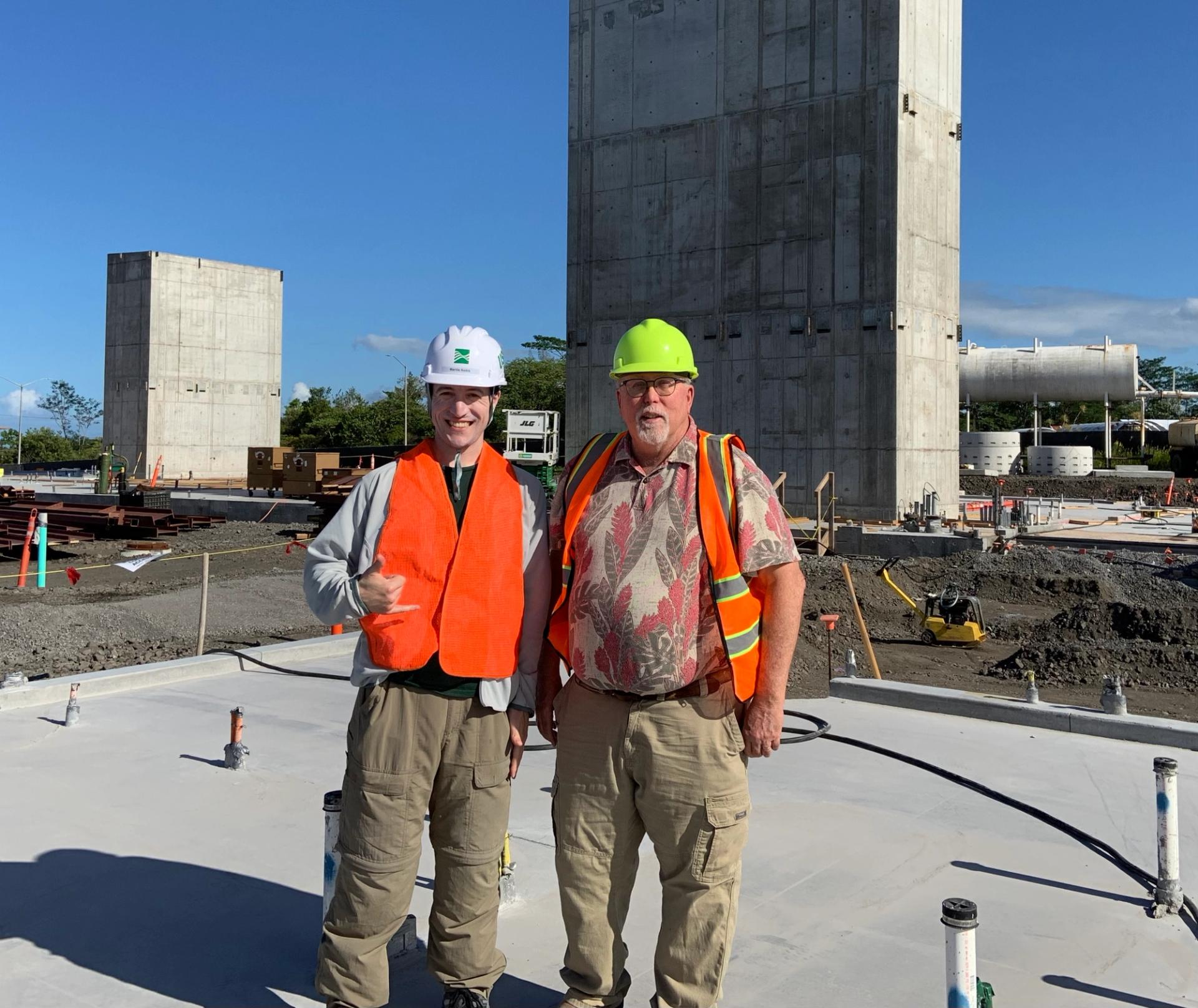
Robby meets with Hawaiian Volcano Observatory (HVO) Scientist-in-Charge, Dr. Ken Hon, at the site of the new permanent HVO facility in Hilo, Hawaii, as part of his April 2025 visit to Hawaii on behalf of Senator Hirono.
The second lesson I learned from my fellowship is that bipartisanship is not only possible, but necessary for addressing the large, nationwide challenge of natural disasters. Each of the hazard mitigation bills that I helped Senator Hirono introduce were intentionally written to benefit stakeholders in both red and blue states, and thus are sponsored (i.e., co-written and co-introduced) by both Republican and Democratic senators. After all, natural hazards cross state lines and are not confined to red or blue states. That being said, the successful introduction, let alone passage, of bipartisan legislation requires each senator’s policy staff and fellows to help them do the heavy lifting of building and maintaining positive working relationships across the political aisle to achieve shared policy goals.
The third lesson I learned from my time in the Senate is the virtue of patience, and I was fortunate in serving as a CSF for long enough to see this lesson pay off. Developing S. 602, which authorizes the USDA to award federal grants to land-grant universities supporting research, development, and community outreach demonstrations of livestock grazing techniques for wildfire mitigation, took half a year between its initial draft—which I helped Senator Hirono co-write with Senator Padilla (D-CA)—and its introduction in February 2025. The bill was introduced with a bipartisan coalition of cosponsors that also included Senators Moran (R-KS) and Lankford (R-OK) less than two months after the Senate and White House had both flipped from Democratic to Republican party control. This accomplishment is a testament to the power of patience when working toward shared policy goals that transcend our nation’s partisan divide.
My final lesson is that we scientists, as constituents each individually represented by two U.S. senators and one congressperson, play a critical role in encouraging our members of Congress to work across party lines to pass legislation supporting the science we do. As earth scientists especially, our work not only advances our understanding of the world, but also provides vital information for lawmakers, emergency managers, businesses, and government agencies to better serve their constituents and customers, whether by building more climate resilient infrastructure or helping communities fully prepare for future natural disasters.
Figure 4
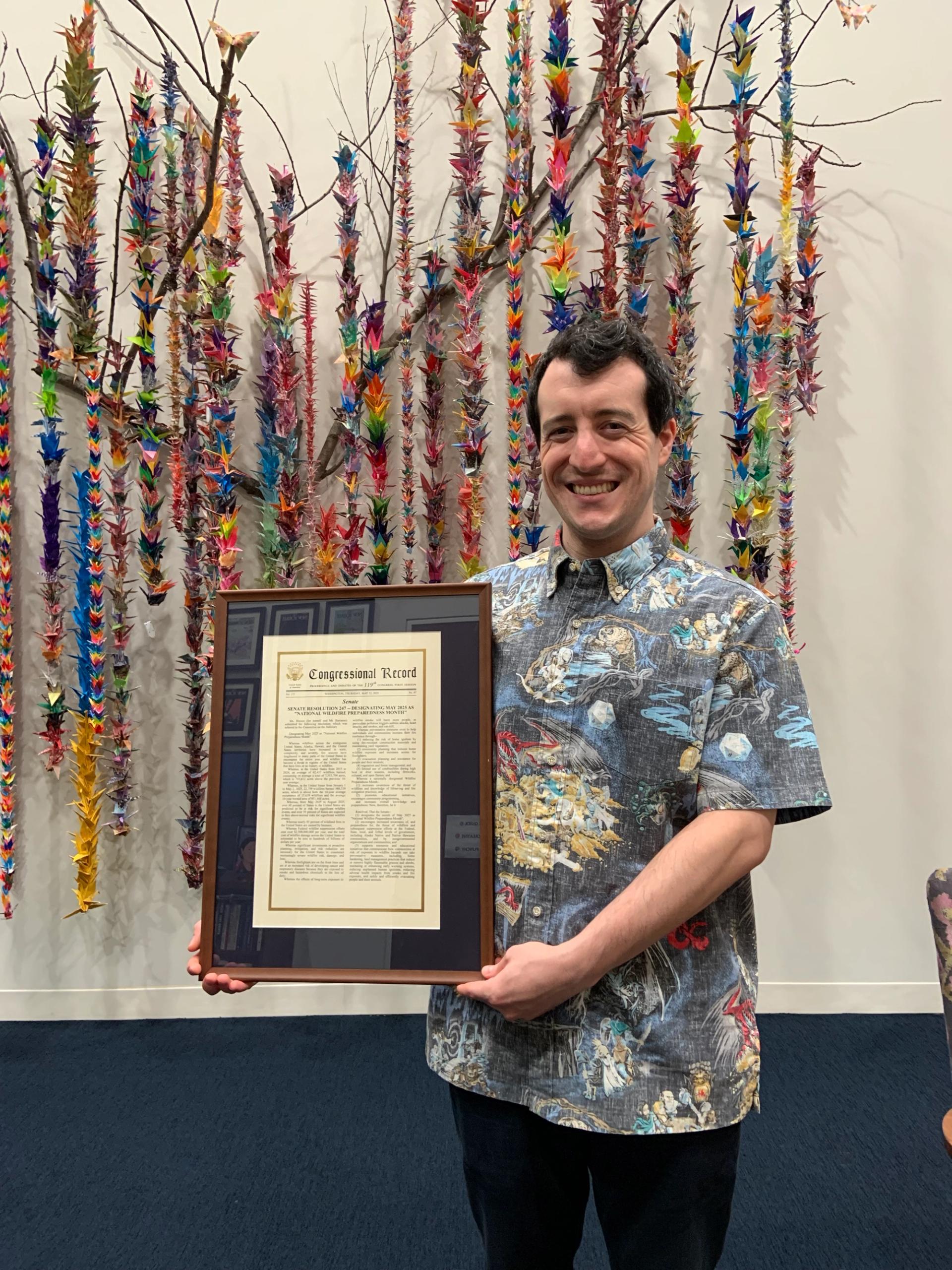
Robby holds a framed copy of S. Res. 247—resolution designating May 2025 as “National Wildfire Preparedness Month”—inside Senator Hirono’s office.
Fortunately, there are plenty of resources and opportunities for you, as a GSA member, earth scientist, or science advocate to kickstart your policy outreach. GSA’s website includes a dedicated Science Policy page complete with an online advocacy toolkit, geoscience policy newsletter, and 28 position statements, which summarize GSA’s consensus views on select issues of relevance to the geosciences community, ranging from U.S. flood risk management to the importance of teaching earth science in K–12 classes. In fact, your contribution to science policy could include submitting comments for newly written (or recently revised) position statements, which are updated every 4–5 years by the members of GSA’s Geology and Public Policy Committee (GPPC).
Moreover, each year GSA invites several member representatives to participate in annual Geosciences Congressional Visits Days (Geo-CVD), a two-day workshop bringing earth scientists from across the country together to receive a crash course in federal science policymaking and advocacy, including a full day of visits with members of Congress, their staff, or Congressional Fellows. As someone who made his very first trip to Washington, DC, to volunteer for the 2017 Geo-CVD as GSA’s North-Central Section representative, I cannot recommend this opportunity highly enough! It may even set you on the path to being awarded a GSA-USGS Congressional Science Fellowship (now in its 40th year) or volunteering on the GPPC (whose 55th anniversary is also this year).
Whether your contribution to science policy outreach is large or small, your role as an earth scientist or science supporter is vital to ensuring that communities throughout the United States, and around the world, can use the best geoscience knowledge available to identify and implement solutions to our society’s modern challenges, including natural hazard mitigation.