
Teach, Learn, Befriend, Enjoy: My Time As a GSA Thompson Distinguished International Lecturer
Kathleen Benison
In this article
Figure 1
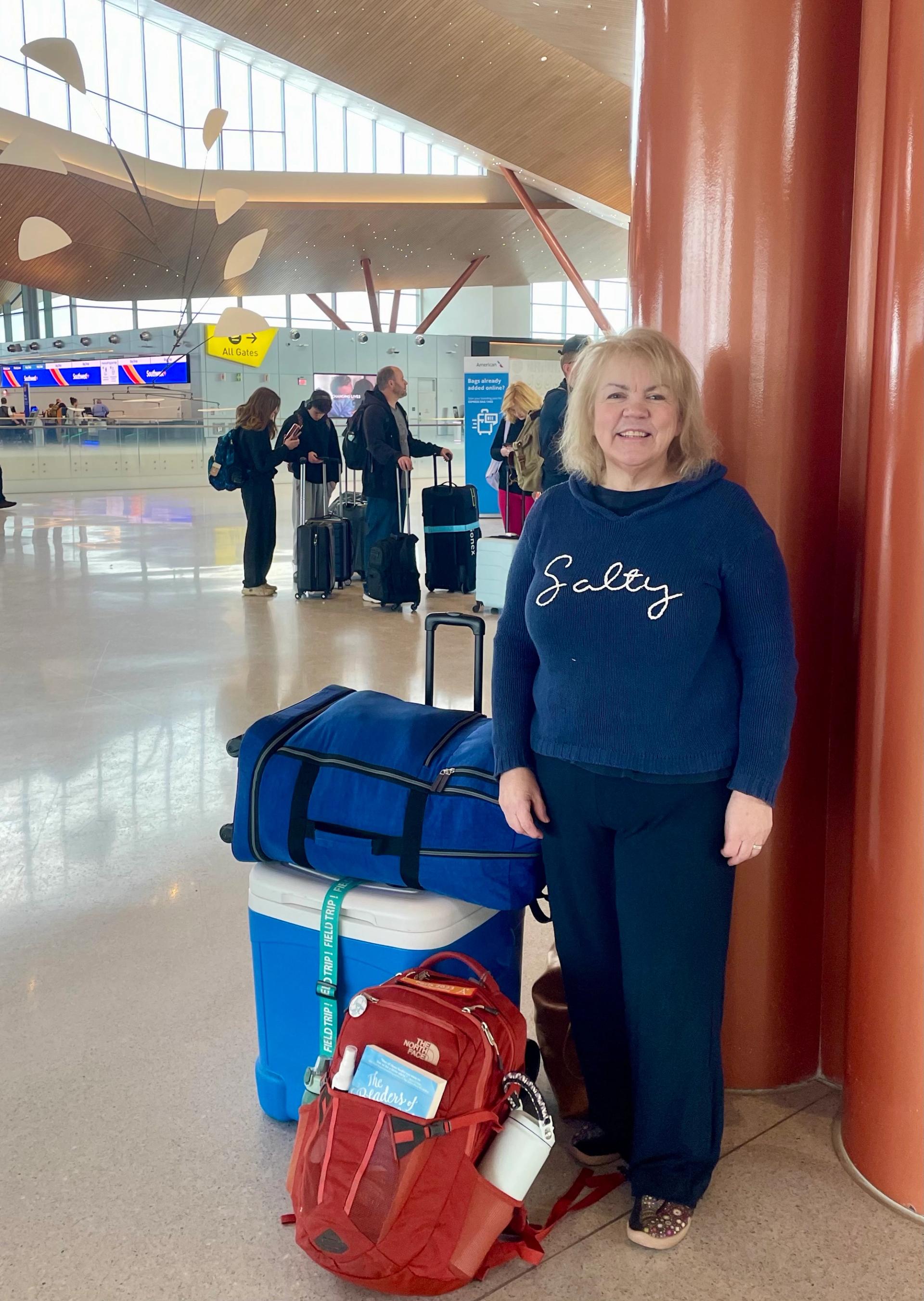
Kathy at the start of her lecture tour, January 2026.
As a child, my family did not have the means to travel. It was through geology that I first travelled and learned that I loved exploring new places. Being the outbound GSA James B. Thompson, Jr. Distinguished International Lecturer during my sabbatical leave in spring 2026 allowed me to combine several loves: geology, travel, and sharing my research interests.
Figure 2
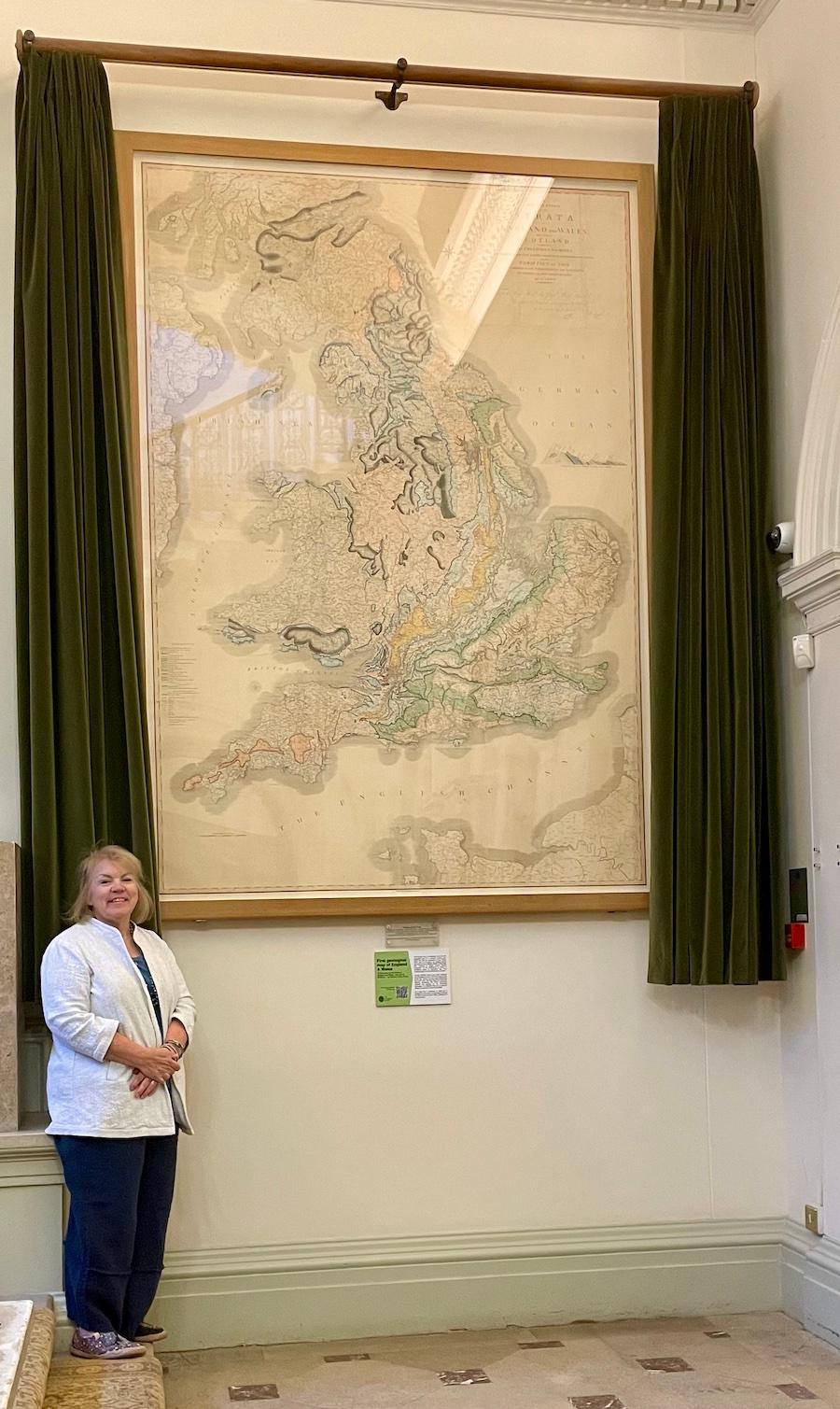
William Smith’s map.
I decided prior to my trips that the theme of my lectureship travel would be “teach, learn, befriend, and enjoy.” I visited Australia and the United Kingdom and offered three different lectures: “Pangea on Acid: Extreme Environments, Climate, and Life during Permo-Triassic Time,” “Salty Secrets about the Search for Life on Mars,” and “The Geochemistry, Mineralogy, Sedimentology, and Microbiology of Acid Saline Lakes of Western Australia.”
Figure 3
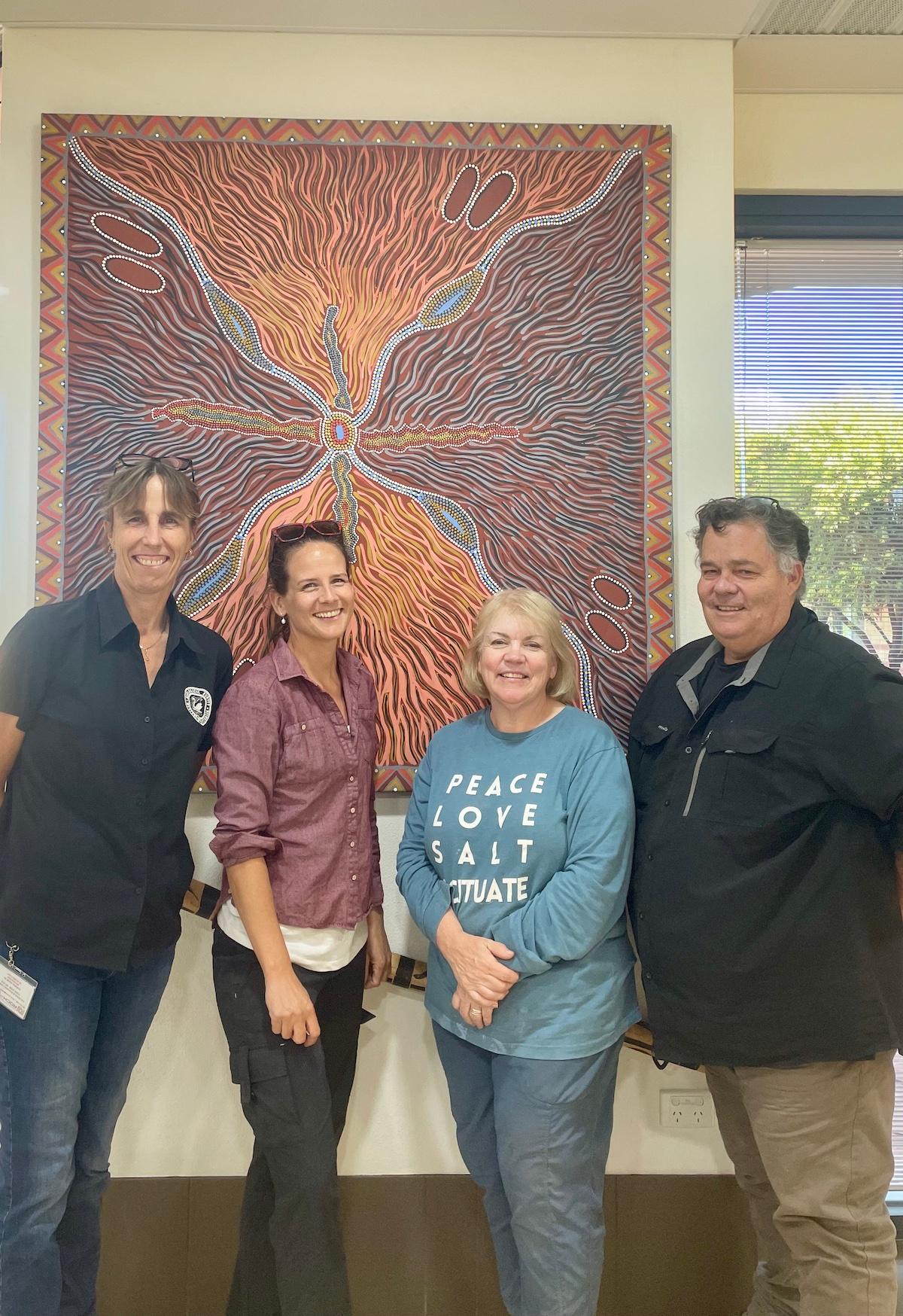
Kathy (second from right) with colleagues Alicia, Anicia, and Wayne at the Geological Society of Western Australia, January 2026.
Preparing these presentations gave me the opportunity to synthesize decades of research results. My teaching goal was realized through 17 lectures given at universities, geological surveys, and other geoscience organizations in Melbourne, Brisbane, Armidale, Adelaide, Perth, Edinburgh, and London. In addition, I gave two presentations at the Australian Earth Sciences Conference, the Geological Society of Australia’s annual meeting. The oldest student radio station in Australia, TUNE FM at the University of New England, interviewed me about my research. I brought Australian geologists from the Central Scientific and Industrial Research Organisation (CSIRO) to the acid salt lakes in Western Australia that I’ve been studying since 2001.
Figure 4
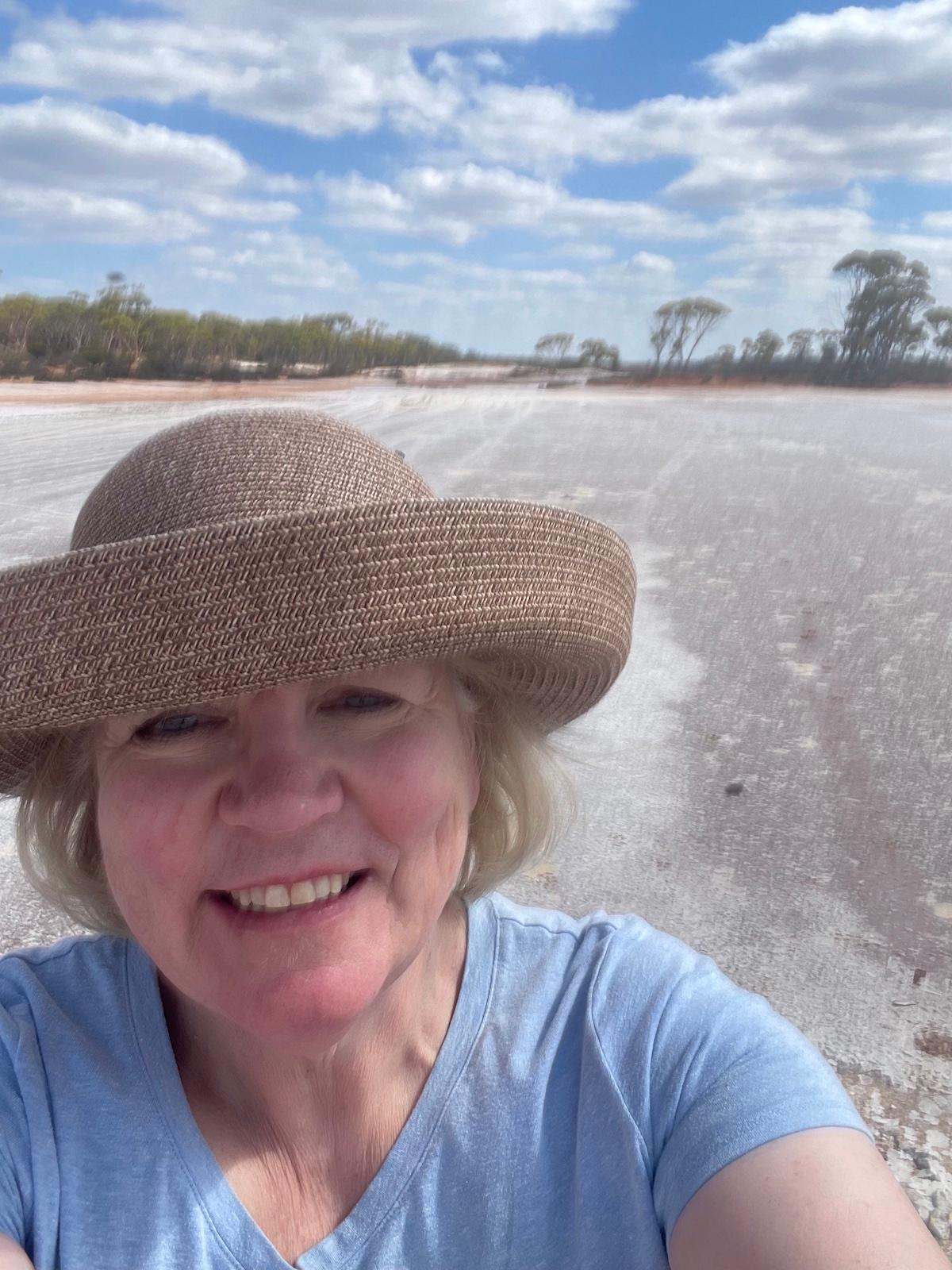
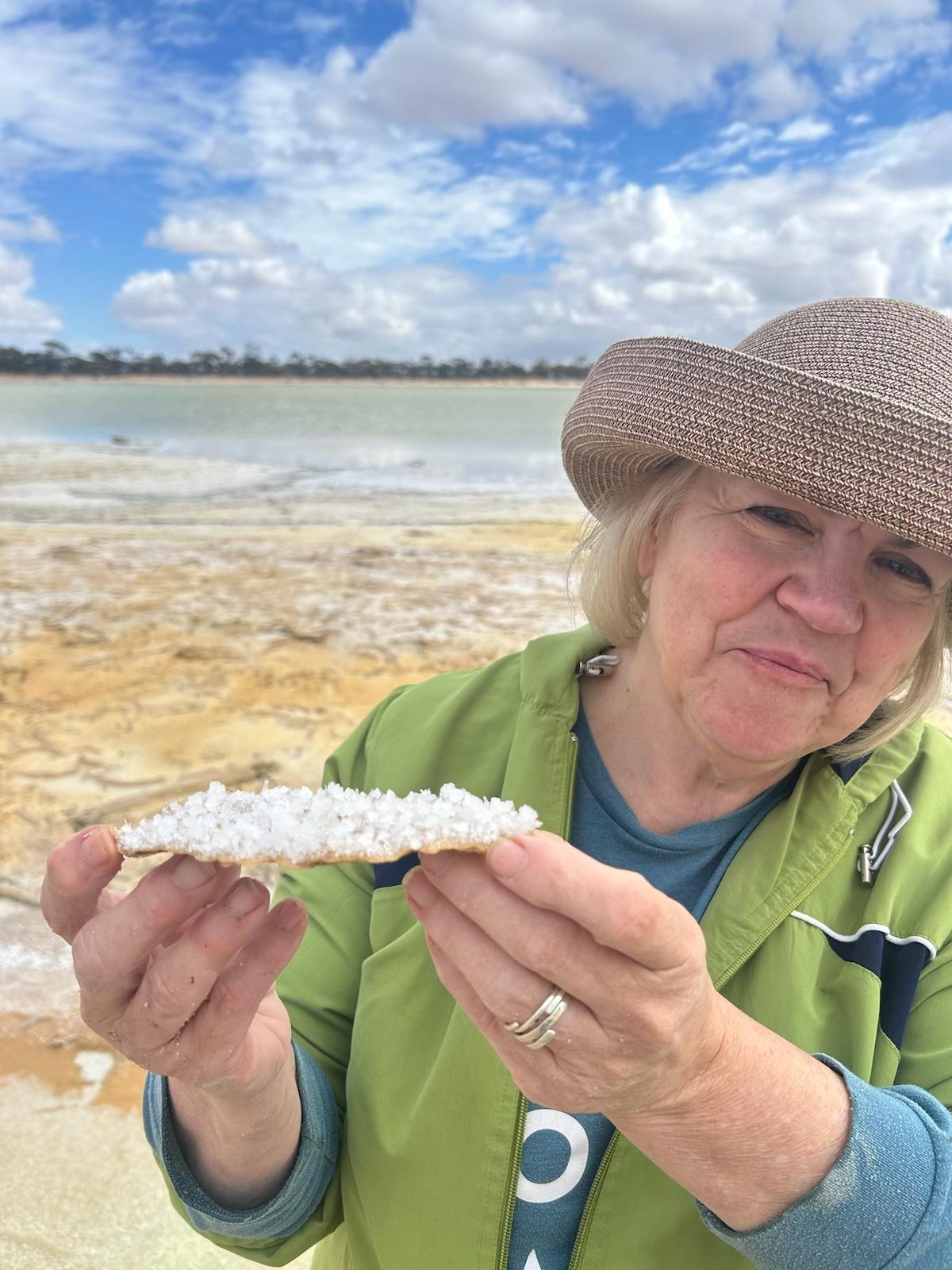
Kathy at Lake Aerodrome, January 2026.
The learning aspect of my lecture tour was vast. I enjoyed hearing about the research of students, faculty, government, and industry scientists and touring their facilities. I’d never seen as many mass specs as I did at the University of Queensland! Observing land use practices along the Australian coastline, especially at Scarborough Beach in Perth, showed me how careful planning can both preserve precious natural landscapes and habitats, while at the same time provide recreational spaces for humans. I also learned through museum visits and field trips. One highlight was touring the Geological Society of London building before my public lecture; there, I saw William Smith’s original geological map and an ichthyosaur fossil collected by Mary Anning. The large collection of Ediacaran fossils at the University of Adelaide was another memorable exhibit. A bucket list event for me was visiting the rare modern thrombolites (cousins to stromatolites) at Lake Clifton in Western Australia; I even gave an impromptu lecture about them to French tourists there. I was able to visit the acid salt lakes of the Yilgarn Craton on three different field trips: in January with new collaborator Anicia Henne of CSIRO, in mid-March with long-time collaborator Brenda Bowen of the University of Utah and new collaborator Ryan Noble of CSIRO, and finally in late March on my own. These three visits to the same lakes allowed me to learn more about the temporal dynamics of these ephemeral lakes, including new insights about the growth rate of gypsum and the changes in salinity and pH.
Figure 5
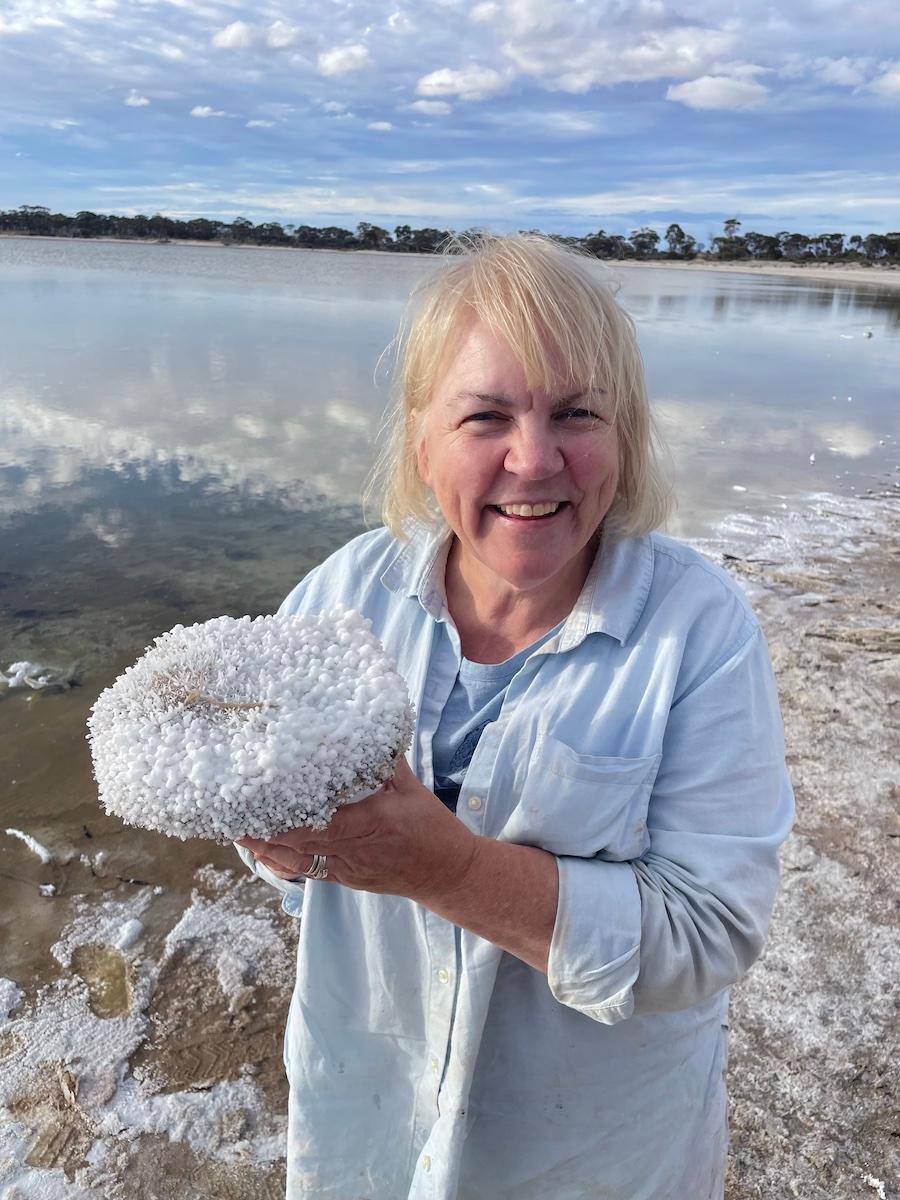
Kathy at Lake Magic, March 2026.
I befriended many geoscientists in Australia, England, and Scotland. Anicia and Ryan came into the field with me. Sherri took me on a hike by a waterfall in New South Wales to search for platypus; we did not find any platypus, but did see an echidna up close. Alicia gave me a tour of a geoscience public outreach collection, Susan recommended a fictional book set near my field area, and Wolfgang alerted me to some salt cores I may wish to study. Keyron and his students took me to a pub in London called The Lamb, where we had a long science discussion over fish and chips. I made friends with non-geologists, as well. Peter, the CEO of the Shire of Dundas in Western Australia, came into the field with me and was eager to both learn about the natural history of this region of Western Australia and to share his knowledge of the local flora and fauna, including the best way to call an emu closer: lay on your back and pedal your legs in the air! Mary and Chris, sisters and educators (and one, a former member of Parliament), took me on walking tours of their city of Brisbane and to their urban country club, which only recently was open to women.
Figure 6
Kathy at Lake Magic, March 2026.
Besides giving talks and meeting Australian, Scottish, and English geoscientists, other enjoyable parts of my Thompson lecture travel were numerous. In Australia, I watched the blood moon lunar eclipse over the Swan River in Perth, saw the Milky Way from the outback of Western Australia, snorkeled at Rottnest Island, and rode the commuter ferries in Brisbane. I loved my early morning walks through beautiful botanical gardens and along beaches and the Swan River. Pausing to watch sunsets over the Indian Ocean in Western Australia was a daily local ritual that I adopted quickly. I saw a variety of the unique-to-Australia animals, all in the wild, including emu, quokkas, kangaroos, emus, flying foxes, bush turkeys, echidna, snake-necked turtles, a water dragon, little penguins, and kookaburra. I only had one, not-too-close, encounter with a deadly red-backed spider; it was on a rock in a geology department! I greatly enjoyed being a tourist in London and Edinburgh. I drank tea, wandered through the Edinburgh Castle and the Royal Mile, walked through Hyde Park and Kensington Gardens, toured the Tower of London, joyfully crossed the famous “zebra” crosswalk at Abbey Road Studios, sat on a bench with Paddington Bear, and took in a show in London’s West End (Hamilton!).
Figure 7
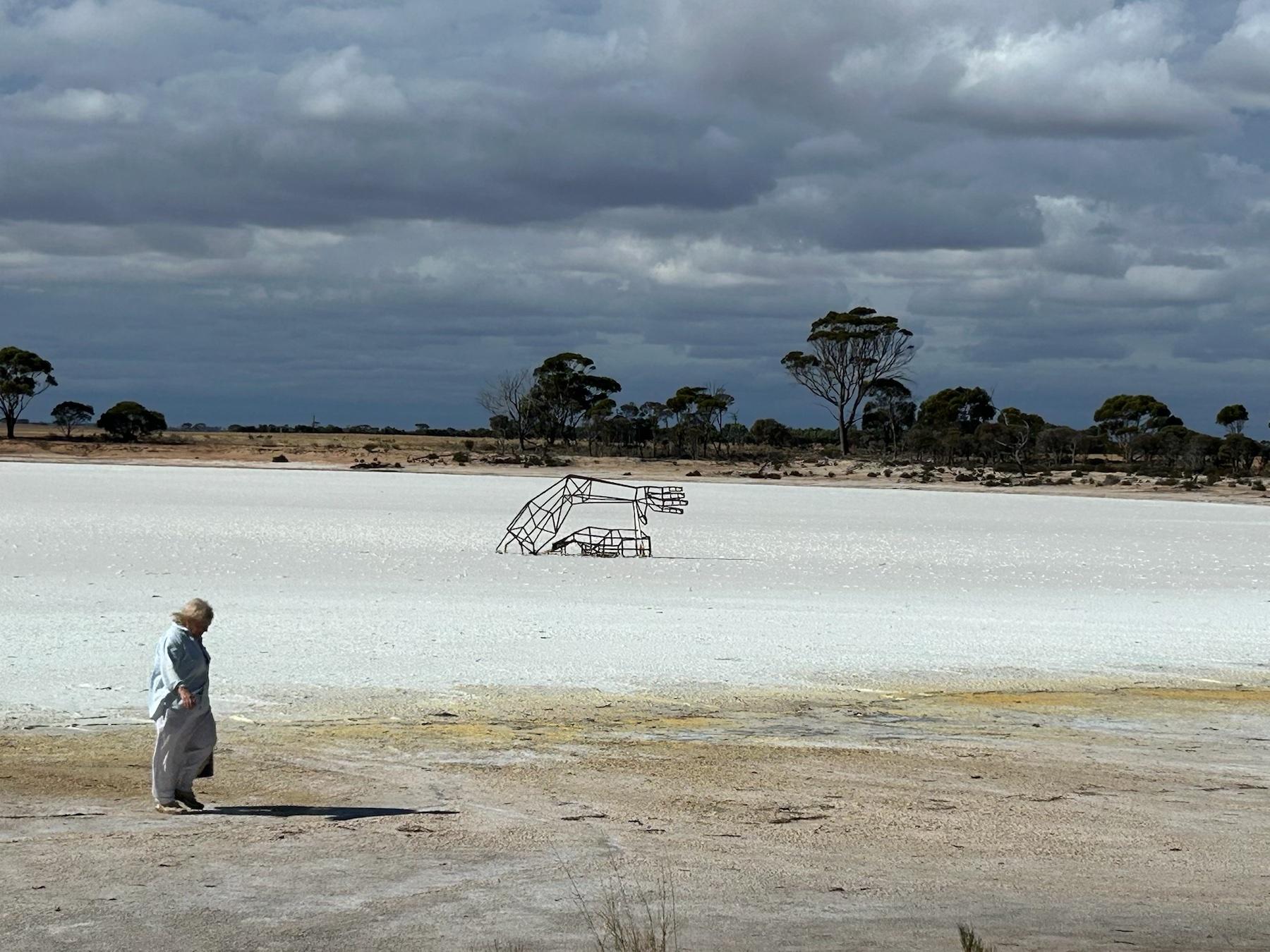
Kathy at Statues Lake, March 2026.
Being a James B. Thompson, Jr. Distinguished International Lecturer will be long remembered as a highlight of my career. This opportunity gave me the chance to both travel to new places and to share my research with geoscientists, including many students, who I would never have met otherwise. I also benefitted by learning about the educational systems in other countries, establishing new international research collaborations, and gathering experiences that I will use in my teaching. I am grateful to GSA International for their support and encouragement in this endeavor. The James B. Thompson, Jr. Distinguished International Lectureship is one of the many ways that GSA strives to promote geoscience education, research, and networking. I am honored to have contributed to this mission.
Figure 8
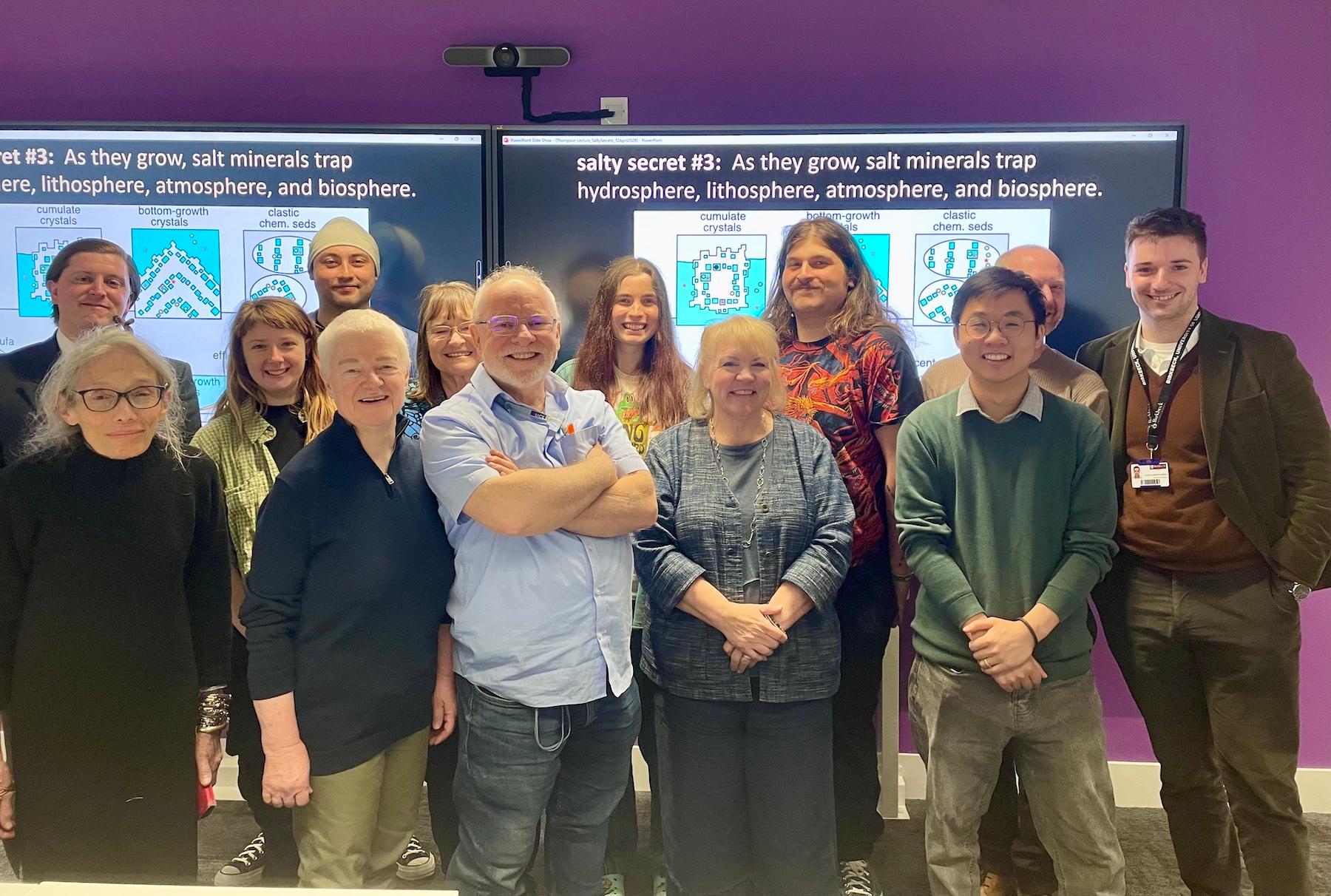
Kathy at the University of London, April 2026.