
Membership
At GSA, build the skills, confidence, and connections you need to take your geoscience career further.
As a GSA Member, you can:
- Join a community driving geoscience discovery, rigor, and integrity
- Connect with a global network of colleagues and resources
- Save on meetings, publications, and educational opportunities
- Advocate for the role of geoscience in society
- Lead, contribute, and help shape the future of the profession
Discover your GSA Membership Type
Find the option that fits your career path, interests, and connection to the geoscience community.
* Dues are in U.S. dollars and may be reduced based on country economic classifications according to the World Bank. View membership benefits and dues information.

Student
Undergraduate or graduate students majoring in geology or a related field.
Membership dues: $25/year*

Early Career Professional
Received a geology or related science degree within the past eight years.
Membership dues: $55/year*
Professional
Bachelor's degree in geology, a related field, or equivalent work experience.
Membership dues: $110/year*

K-12 Teacher
Currently employed as a teacher at an elementary or secondary-level institution.
Membership dues: $45/year*

Affiliate
Interested in geology but are neither studying nor working in the geosciences or a related field.
Membership dues: $45/year*
Featured GSA Members
Meet the members helping shape the future of geoscience.

Abdulfatah
- Geophysics Student at University of Lagos, Nigeria
- GSA Member for less than 1 year
- Passionate about petroleum geology

Aminat
- Graduate Student at Penn State
- GSA Member for 3 years
- Passionate about environmental and water resources science and policy

Clare
- Environmental Lawyer at Wladis Law Firm
- GSA Member for 2 years
- Passionate about hydrology and how it intersects with CERCLA cleanup efforts
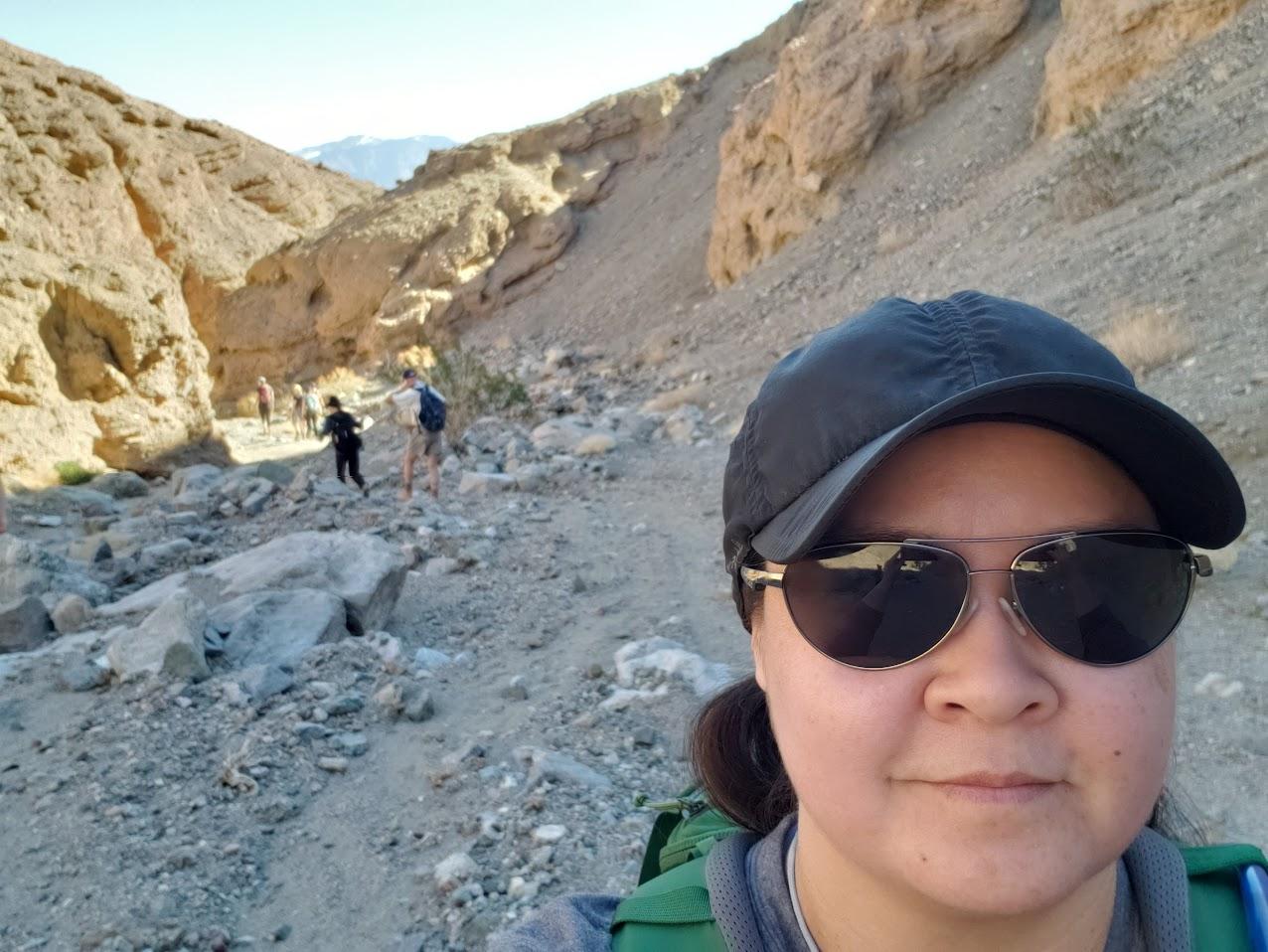
Elysia
- Geoscientist, Crew Earth Observations operator and lead, & ISS crew trainer at NASA
- GSA Member for 6 years
- Passionate about planetary exploration

Hannah
- JSPS Postdoctoral Researcher at Kyoto University
- GSA Member for 3 years
- Passionate about coastal geomorphology and marine science
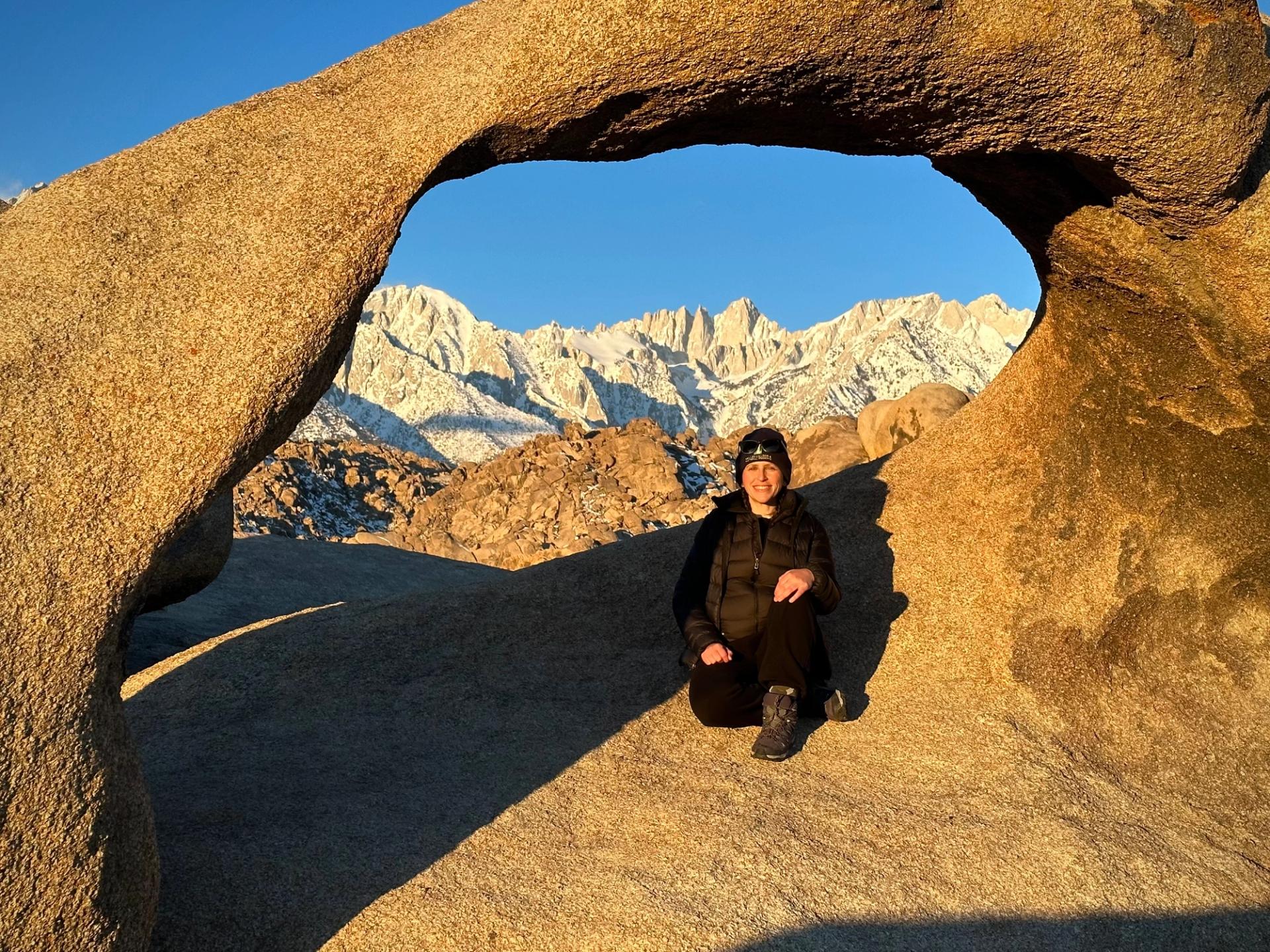
Jacqueline
- Student at Arizona State University
- GSA Member for 10 years
- Passionate about geochronology and thermochronology
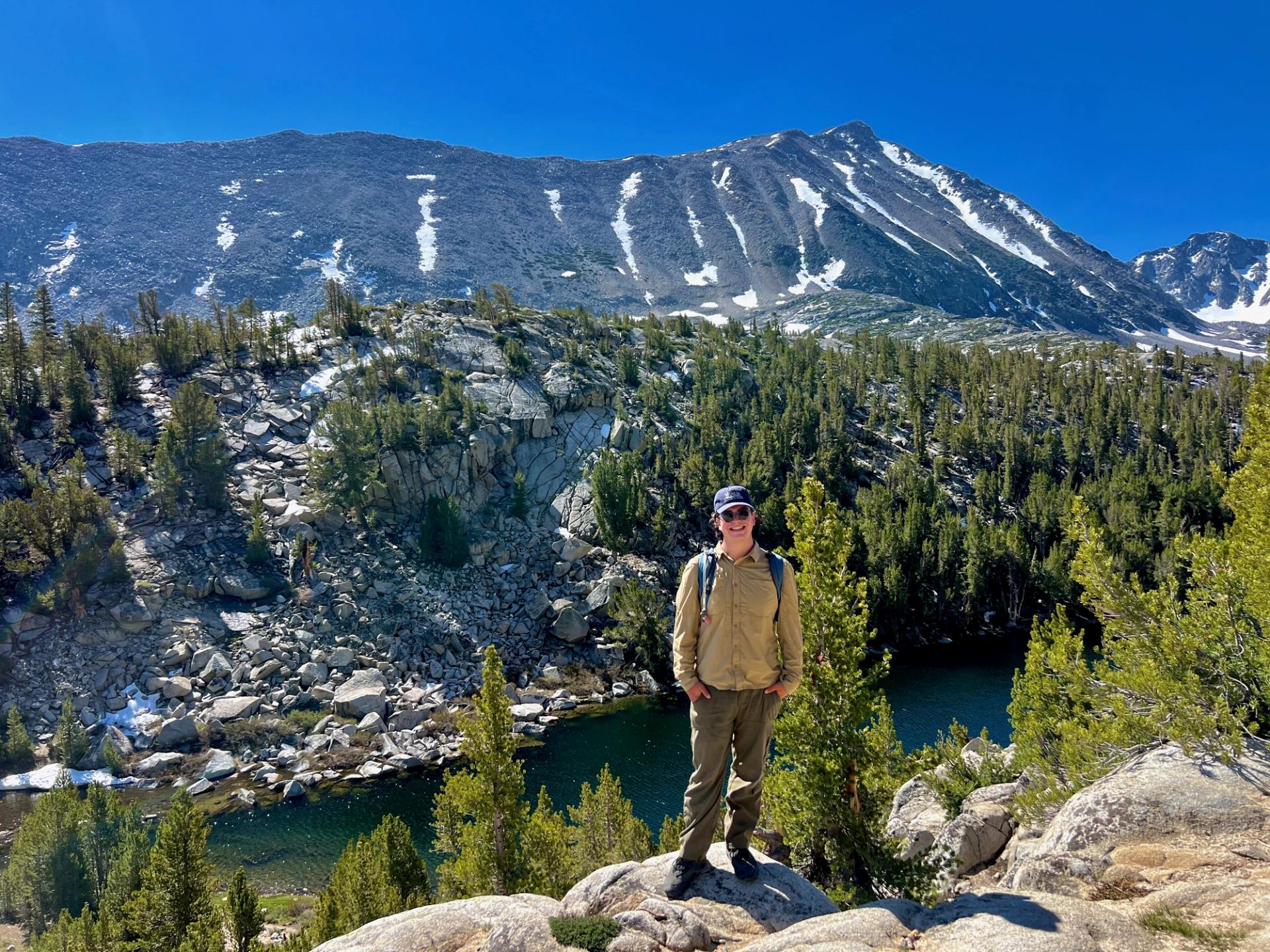
Jarrod
- Ph.D. Student at Rutgers University
- GSA Member for 3 years
- Passionate about geochemistry and data science/machine learning
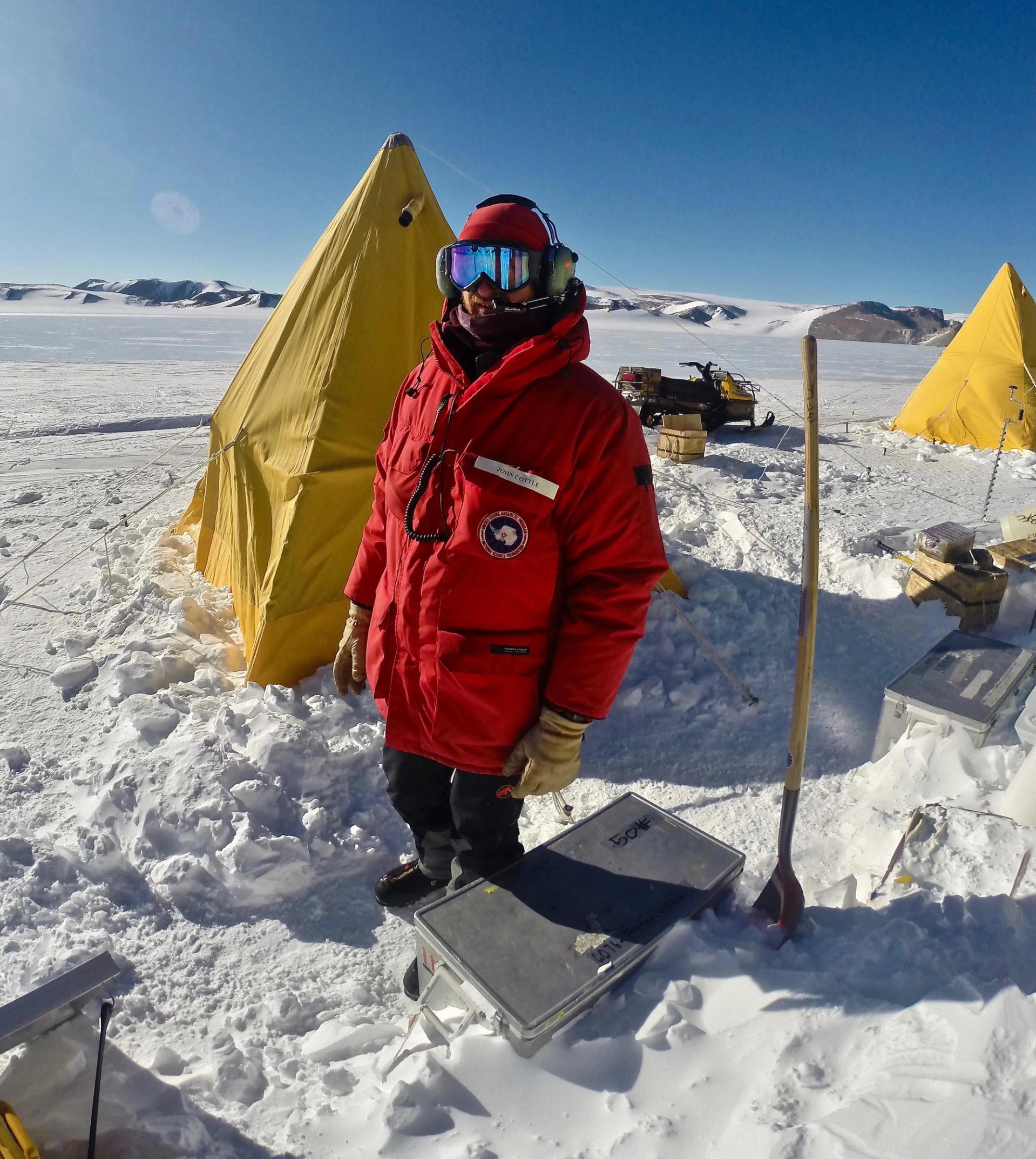
John
- Professor of Earth Science at the University of California Santa Barbara
- GSA Member for 18 years
- Passionate about geoscience instrumentation

Laura
- Ph.D. Student at the University of Pittsburgh
- GSA Member for 4 years
- Passionate about paleoclimate and paleolimnology

Manica
- Ph.D. Candidate at Boston College
- GSA Member for 5 years
- Passionate about coastal geomorphology
Michael
- Director of the Kentucky Geological Survey and Professor at the University of Kentucky
- GSA Member for 25 years
- Passionate about limnogeology, continental scientific drilling, and geoscience education
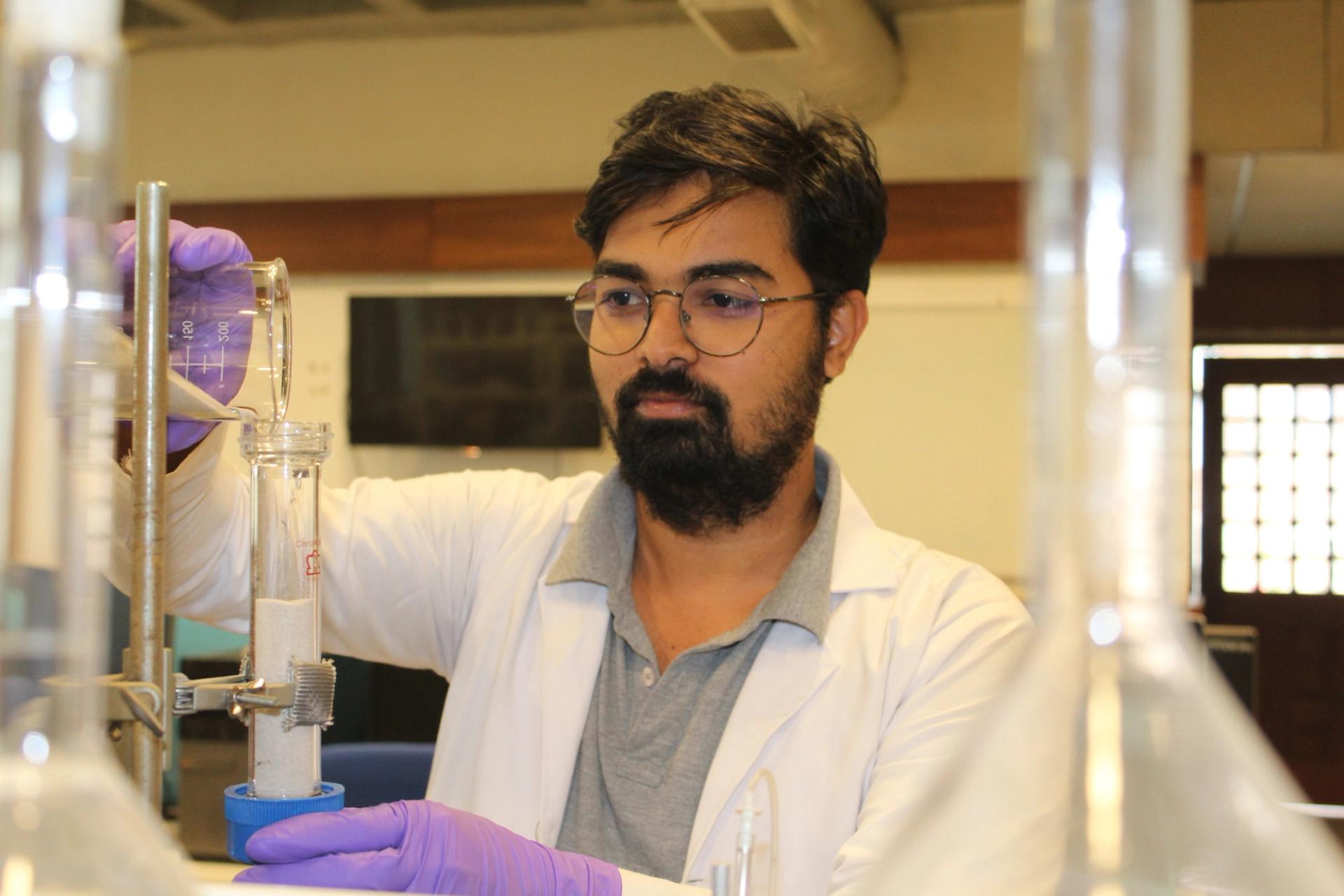
Rakesh
- Postdoctoral Fellow at Auburn University
- GSA Member for 4 years
- Passionate about emerging contaminants in coupled soil–water–groundwater systems
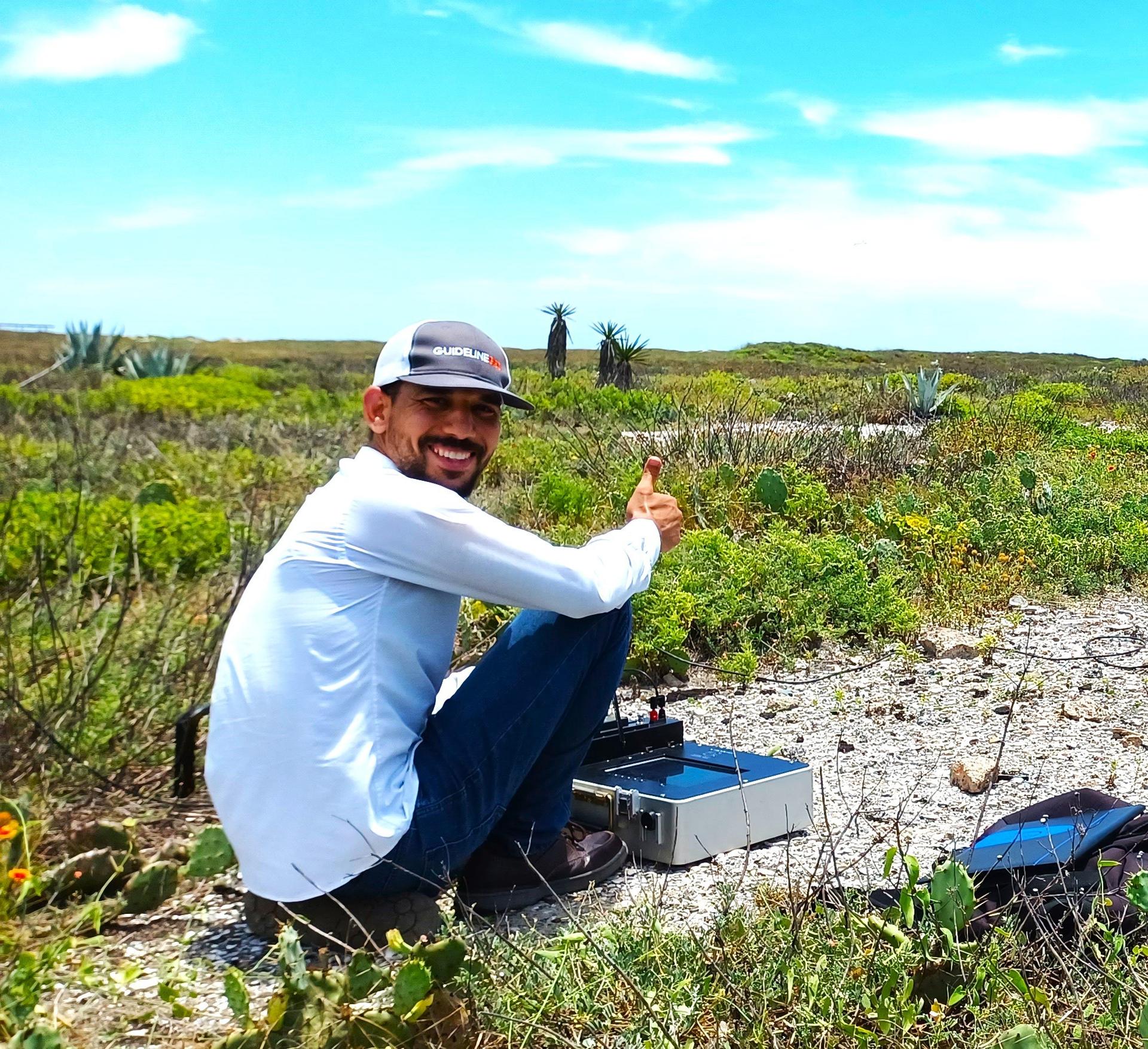
Ramadan
- Geophysicist
- GSA Member for 4 years
- Passionate about near-surface geophysics
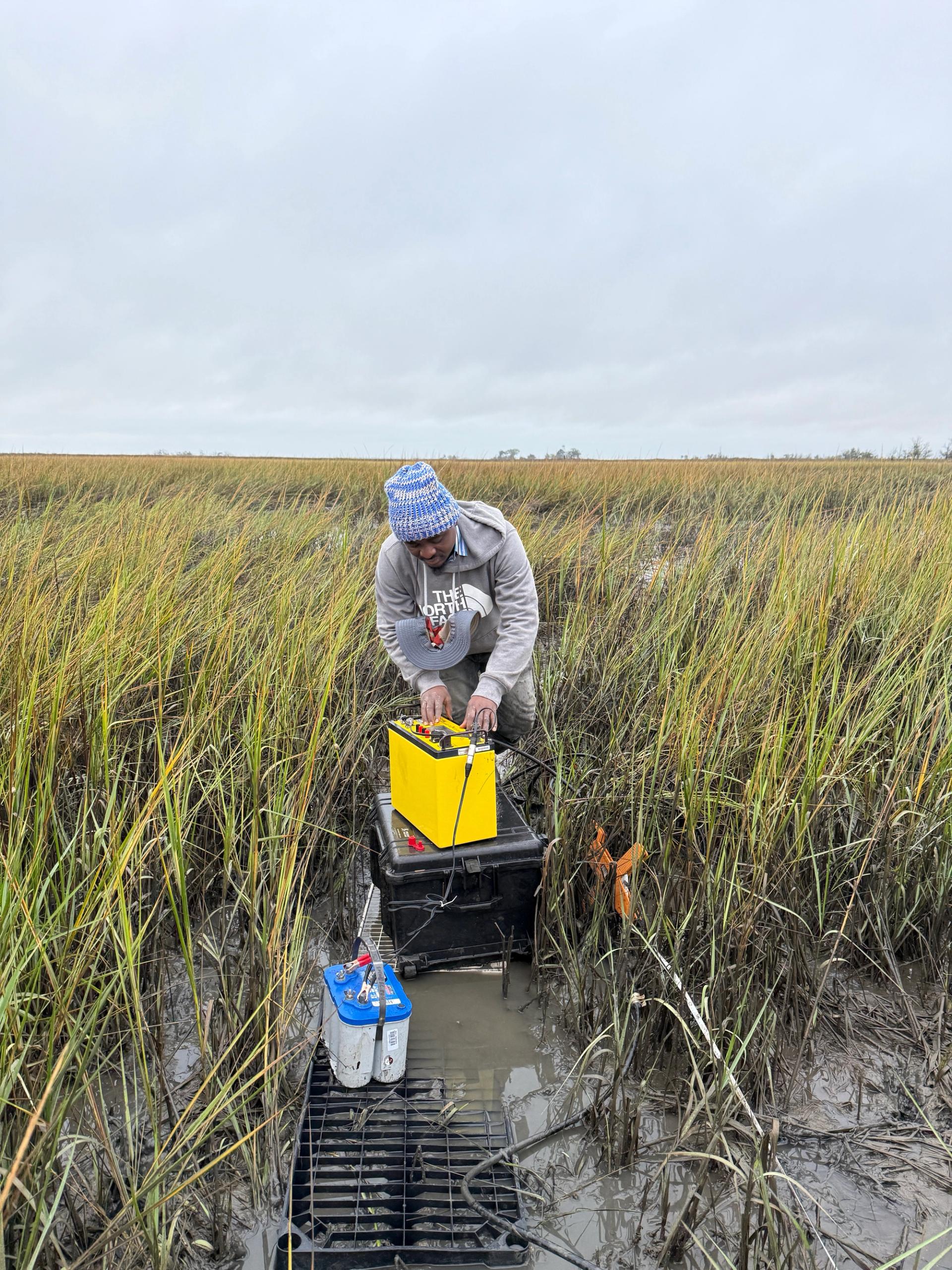
Riliwan
- Graduate Student at the University of South Carolina, Columbia
- GSA Member for 3 years
- Passionate about coastal hydrogeology
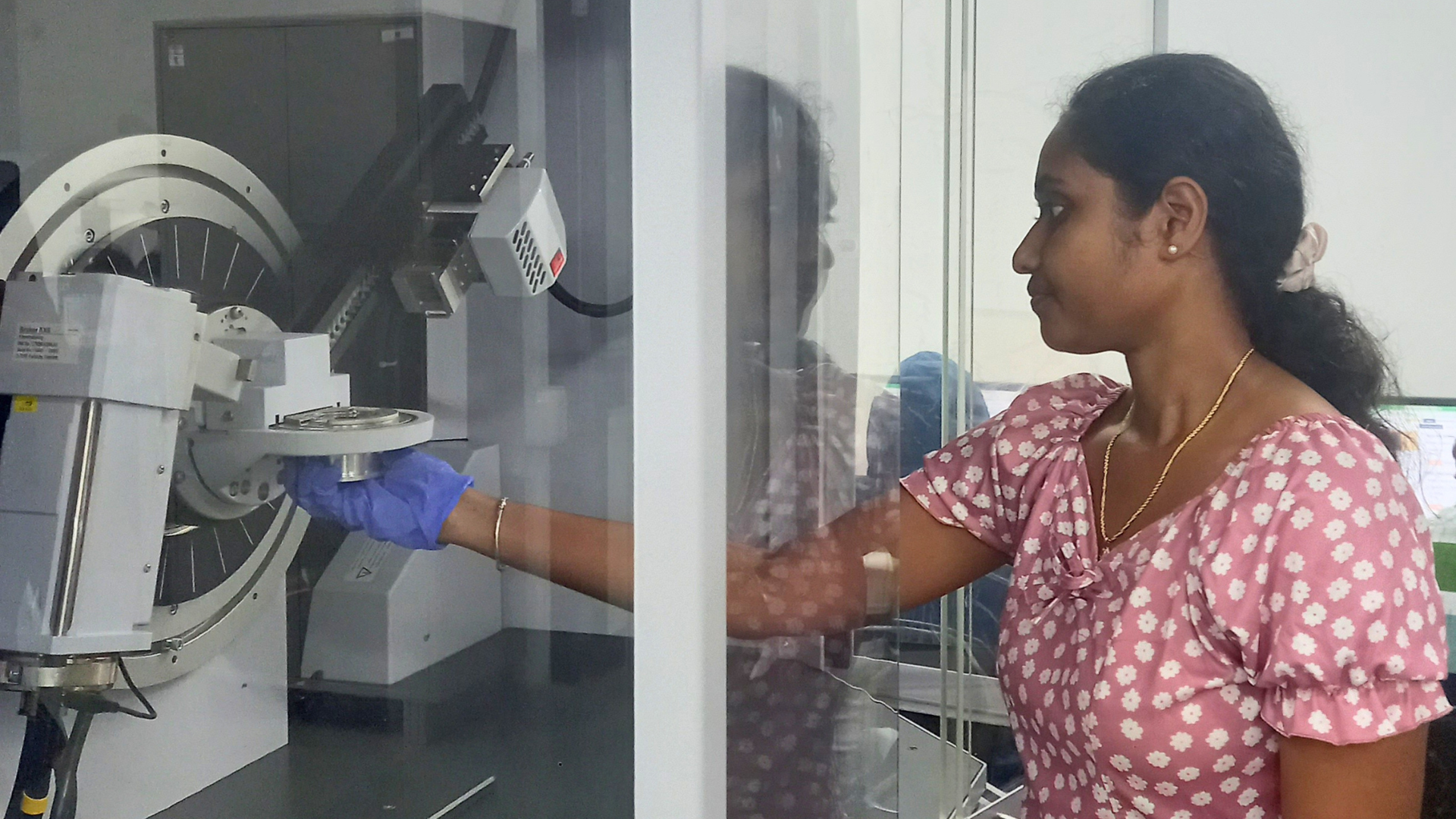
R. Valli
- Ph.D. Student at the Indian Institute of Technology Gandhinagar
- GSA Member for 6 years
- Passionate about mineralogy
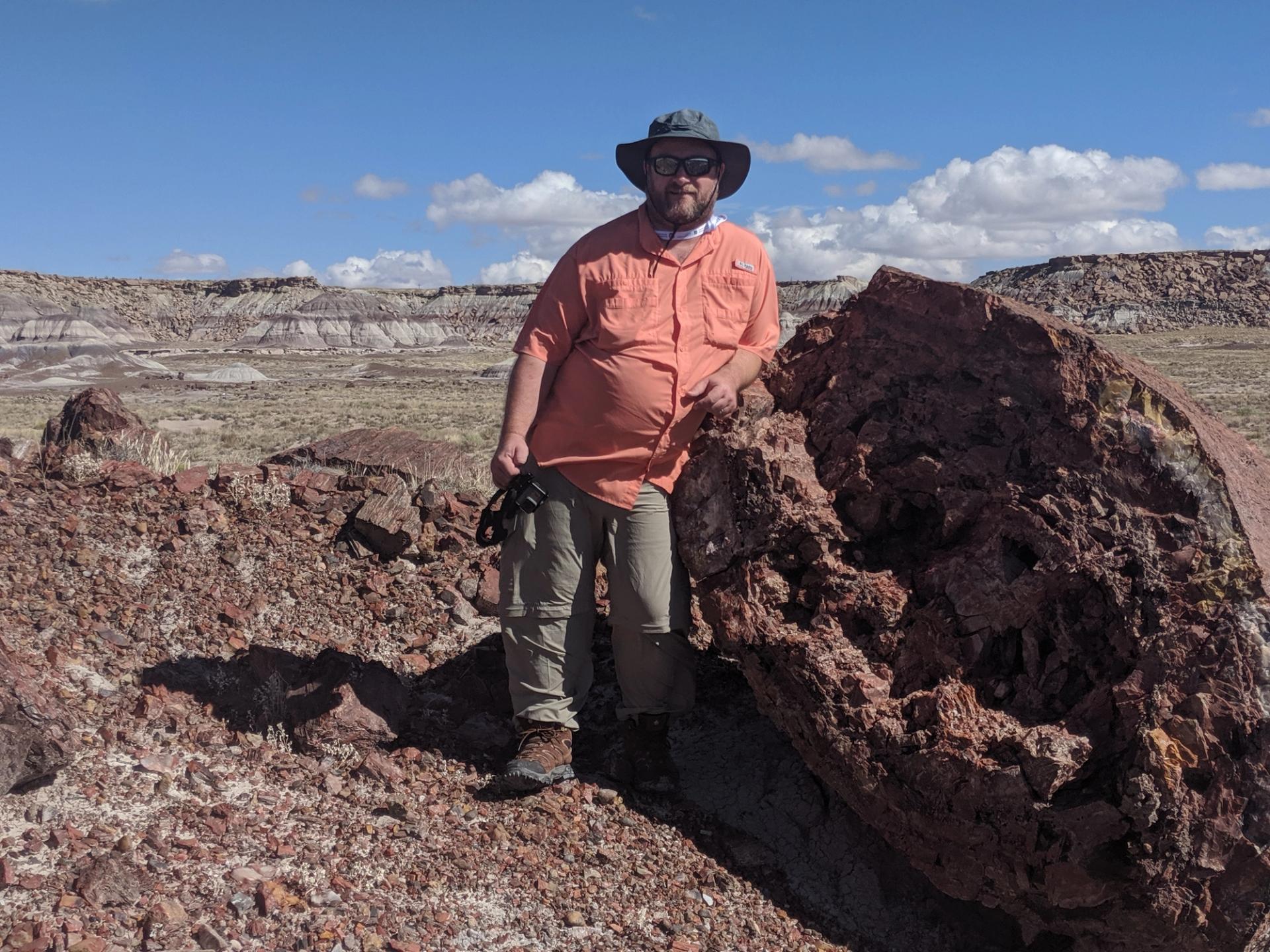
Vic
- Associate Professor of Geology, Perimeter College at Georgia State University
- GSA Member for 12 years
- Passionate about geoscience education
GSA Member Benefits
GSA offers real, tangible member benefits to enhance your geoscience career journey.
Student Membership
| Community | Publications | Meetings & Professional Development |
|---|---|---|
Join any number of our 22 Scientific Divisions | Free Online Access to GSA’s premier journals: Geology and GSA Bulletin | Reduced Registration Rates for GSA Meetings |
Unlimited Geographic Sections | Complimentary GSA Today | Lifelong Learning–Field Trips, Technical Sessions, Short Courses, and Special Events |
Join GSA’s International Member Community | Receive GSA Connection and GeoScene E-Newsletters | Share research–Publish and present with GSA. |
Access to GSA’s Online Member Community | GSA Online Store Discounts | |
GeoCareers Program–Networking events, mentoring, workshops, career panels | ||
Leadership Opportunities–Serve on a council or committee and play an active role in shaping GSA and the future of geoscience. |
Join GSA as a Student
Membership dues: $25/year*
* Dues are in U.S. dollars and may be reduced based on country economic classifications according to the World Bank. View the membership dues table.
Download Application
See where your dues go
Questions? Contact: GSA Sales and Service
Phone: +1 800 472 1988
Email: gsaservice@geosociety.org
Student Membership FAQs:
What is the difference between Professional Membership and Student Membership?
Students in geoscience receive a highly discounted membership rate. You can see the breakdown of each membership type here.
What are the GSA Scientific Divisions?
GSA has 22 scientific Divisions that any member may join. Divisions generally meet at GSA’s annual meeting, and most have their own newsletters, which are published at various times throughout the year. Learn more here.
Early Career Professional Membership
| Community | Publications | Meetings & Professional Development |
|---|---|---|
Join any number of our 22 Scientific Divisions | Free Online Access to GSA’s premier journals: Geology and GSA Bulletin | Reduced Registration Rates for GSA Meetings |
One Free Geographic Section (additional section $3) | Complimentary GSA Today | Lifelong Learning–Field Trips, Technical Sessions, Short Courses, and Special Events |
Join GSA’s International Member Community | Receive GSA Connection and GeoScene E-Newsletters | Share research–Publish and present with GSA. |
Access to GSA’s Online Member Community | GSA Online Store Discounts | |
GeoCareers Program–Networking events, mentoring, workshops, career panels | ||
Leadership Opportunities–Serve on a council or committee and play an active role in shaping GSA and the future of geoscience. |
Join GSA as an Early Career Professional
Received a geology or related science degree within the past eight years and are not re-entering an academic program.
Membership dues: $55/year*
* Dues are in U.S. dollars and may be reduced based on country economic classifications according to the World Bank. View the membership dues table.
Download Application
See where your dues go
Questions? Contact: GSA Sales and Service
Phone: +1 800 472 1988
Email: gsaservice@geosociety.org
Professional Membership
| Community | Publications | Meetings & Professional Development |
|---|---|---|
Join any number of our 22 Scientific Divisions | Free Online Access to GSA’s premier journals: Geology and GSA Bulletin | Reduced Registration Rates for GSA Meetings |
One Free Geographic Section (additional section $3) | Complimentary GSA Today | Lifelong Learning–Field Trips, Technical Sessions, Short Courses, and Special Events |
Join GSA’s International Member Community | Receive GSA Connection and GeoScene E-Newsletters | Share research–Publish and present with GSA. |
Access to GSA’s Online Member Community | GSA Online Store Discounts | |
Subscribe to GSA Publications at member-only rates | Leadership Opportunities–Help shape the Society and the future of geoscience. |
Join GSA as a Professional
Membership dues: $110/year*
* Dues are in U.S. dollars and may be reduced based on country economic classifications according to the World Bank. View the membership dues table.
Download Application
See where your dues go
Questions? Contact: GSA Sales and Service
Phone: +1 800 472 1988
Email: gsaservice@geosociety.org
K-12 Teacher Membership
| Community | Publications | Meetings & Professional Development |
|---|---|---|
Join any number of our 22 Scientific Divisions | Free Online Access to GSA’s premier journals: Geology and GSA Bulletin | Reduced Registration Rates for GSA Meetings |
One Free Geographic Section (additional section $3) | Complimentary GSA Today | Lifelong Learning–Field Trips, Technical Sessions, Short Courses, and Special Events |
Join GSA’s International Member Community | Receive GSA Connection and GeoScene E-Newsletters | Share research–Publish and present with GSA. |
Access to GSA’s Online Member Community | GSA Online Store Discounts | |
Leadership Opportunities–Help shape the Society and the future of geoscience. | ||
Join GSA as a K-12 Teacher
Membership dues: $45/year*
* Dues are in U.S. dollars and may be reduced based on country economic classifications according to the World Bank. View the membership dues table.
Download Application
See where your dues go
Questions? Contact: GSA Sales and Service
Phone: +1 800 472 1988
Email: gsaservice@geosociety.org
Affiliate Membership
| Community | Publications | Meetings & Professional Development |
|---|---|---|
Join any number of our 22 Scientific Divisions | Free Online Access to GSA’s premier journals: Geology and GSA Bulletin | Reduced Registration Rates for GSA Meetings |
One Free Geographic Section (additional section $3) | Complimentary GSA Today | Lifelong Learning–Field Trips, Technical Sessions, Short Courses, and Special Events |
Join GSA’s International Member Community | Receive GSA Connection and GeoScene E-Newsletters | |
Access to GSA’s Online Member Community | GSA Online Store Discounts | |
Subscribe to GSA Publications at member-only rates |
Join GSA as an Affiliate
Membership dues: $45/year*
* Dues are in U.S. dollars and may be reduced based on country economic classifications according to the World Bank. View the membership dues table.
Download Application
See where your dues go
Questions? Contact: GSA Sales and Service
Phone: +1 800 472 1988
Email: gsaservice@geosociety.org